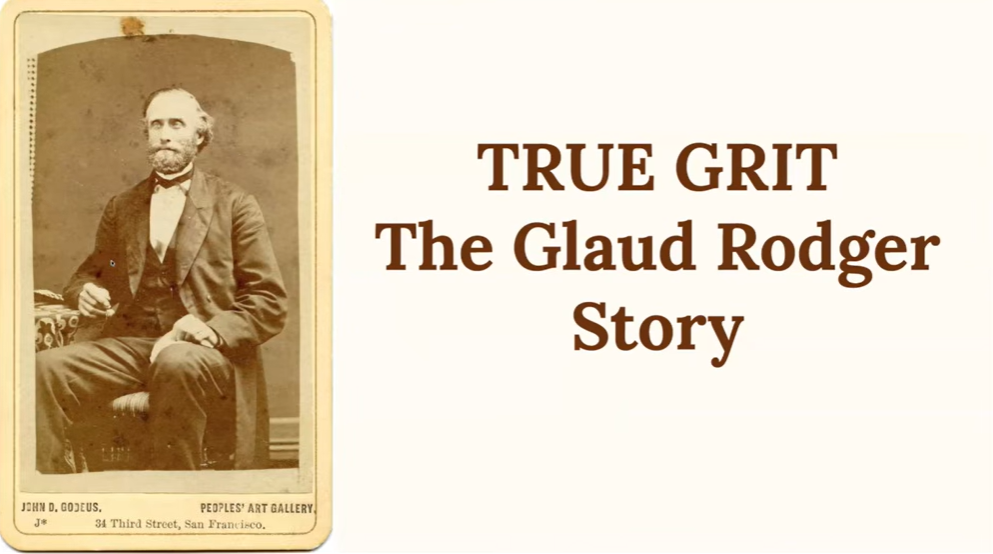
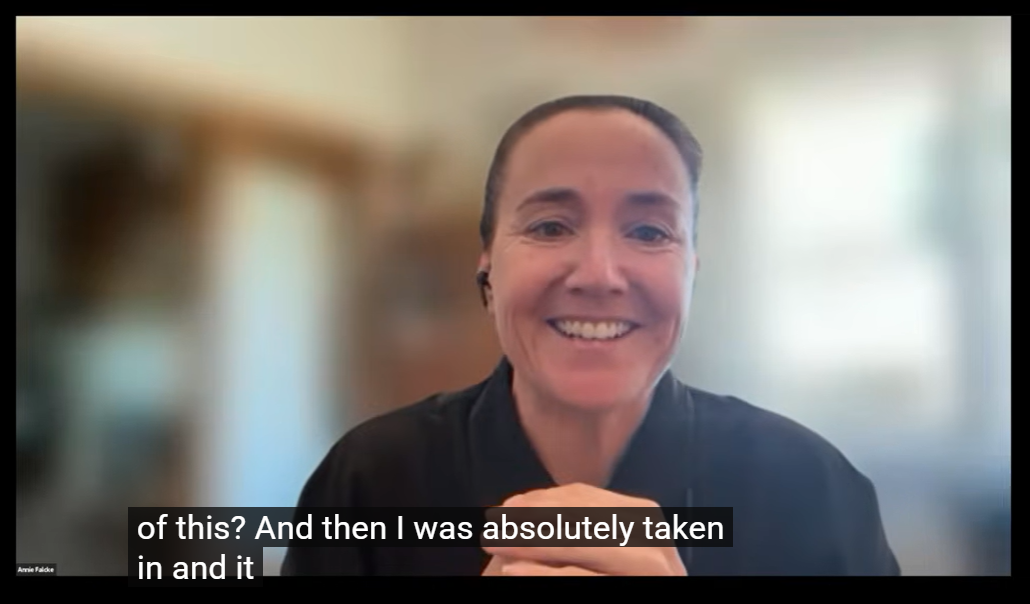
Recently, Annie Falcke opened the Historic Sites Foundation’s online lecture series with True Grit: The Glaud Rodger Story. Congratulations, Annie, on a thoughtful opening to the series, and thank you for sharing your research with the wider church.
The lecture traces Rodger’s life from his early years in Scotland through decades of ministry. His years in Australia were the focus of a paper Annie wrote as part of her coursework at Community of Christ Seminary. For Annie, a fifth-generation Community of Christ member, that history is also part of her family’s story.
“My own migrant family members settled upon the coastline along which Glaud travelled and worked. It was Glaud that introduced my own ancestors to the church, visiting, baptizing and ordaining them during his time in Australia.”
Gathering Anyhow
Rodger and fellow missionary Charles Wandell helped open the Australian Mission in Sydney in 1874. By the end of 1877, Rodger had established six branches, visiting families and mentoring local leaders as he travelled. In her paper, Annie draws attention to the places where those early communities made church possible.
“Amongst the scattered Saints, Glaud adopted a flexible model of churching that moved from dining tables to riverbanks, rented halls to parks.”
In 1875, about 50 people gathered on the banks of the Hunter River. Three people were baptised, and those gathered stayed to share testimony, fellowship and food. The story was passed down for generations among church members in the Hunter region.
What we can learn from Rodger’s ministry
“As a subject, Glaud Rodger makes a fascinating study,” Annie writes near the beginning of her paper. By the end, she’s asking what his story can teach us about being Community of Christ in Australia today.
She reflects on how Rodger encouraged local leaders and gave them room to grow, and how he stood up for people living in poverty and affirmed the worth of ordinary people. She also traces a tradition of visiting ministry that began with Rodger and Wandell and continues today, with Australian communities both offering and receiving ministry as part of a worldwide church.
Annie remembers Rodger as “a man who faced his work with courage, creativity and hope”. His example invites us to bring those same qualities to the work of sustaining our communities today.
Annie extends a special thank-you to Australian church historian Margaret Morris, who assisted with the research throughout the project. Annie is grateful for Margaret’s generosity in sharing her knowledge and for the support she gave along the way.
Watch Annie’s lecture
Hear the wider story of Rodger’s life and ministry, and listen for the Hunter River story as Annie reflects on what those early gatherings can teach us about being church across distances today.