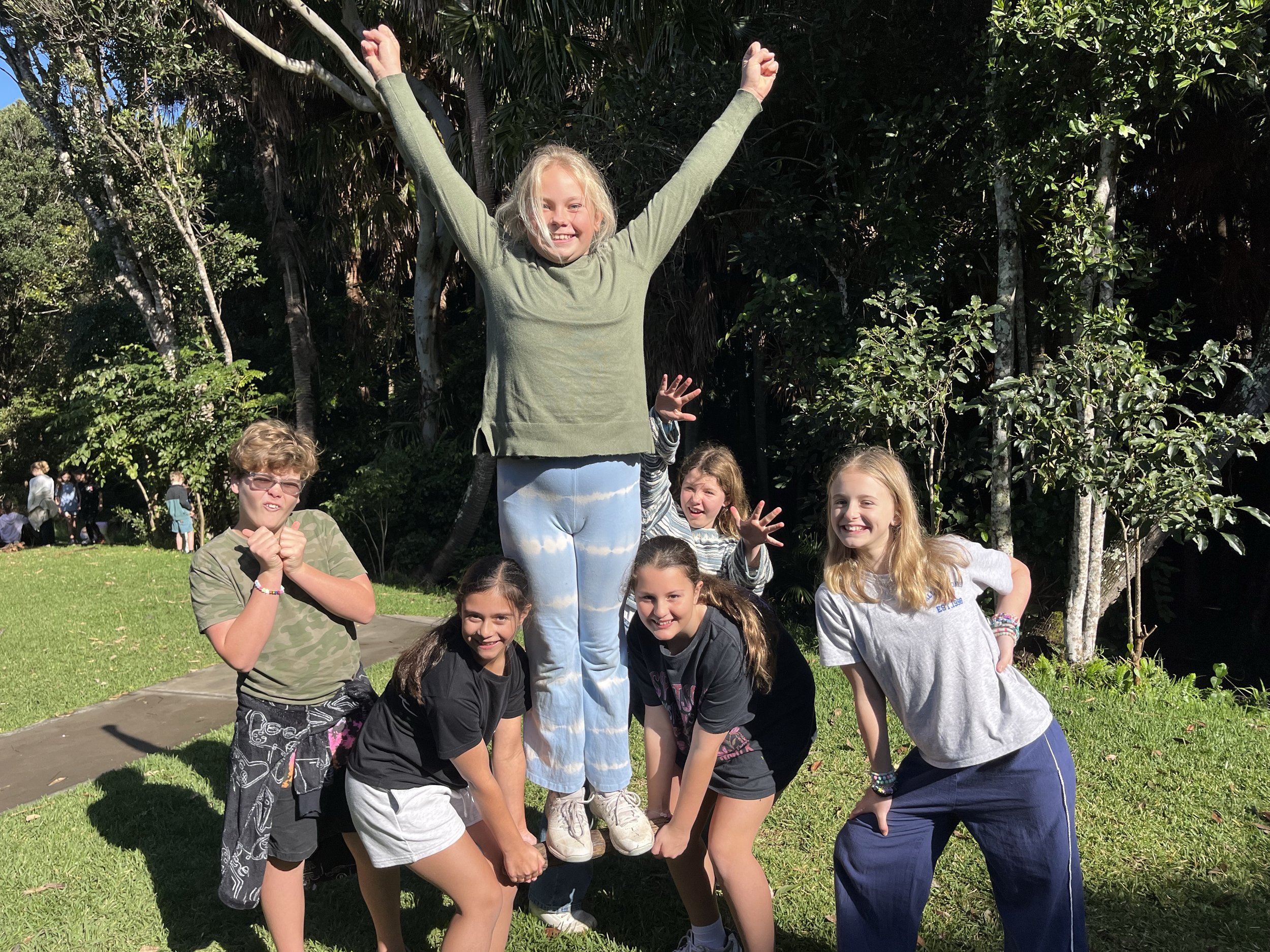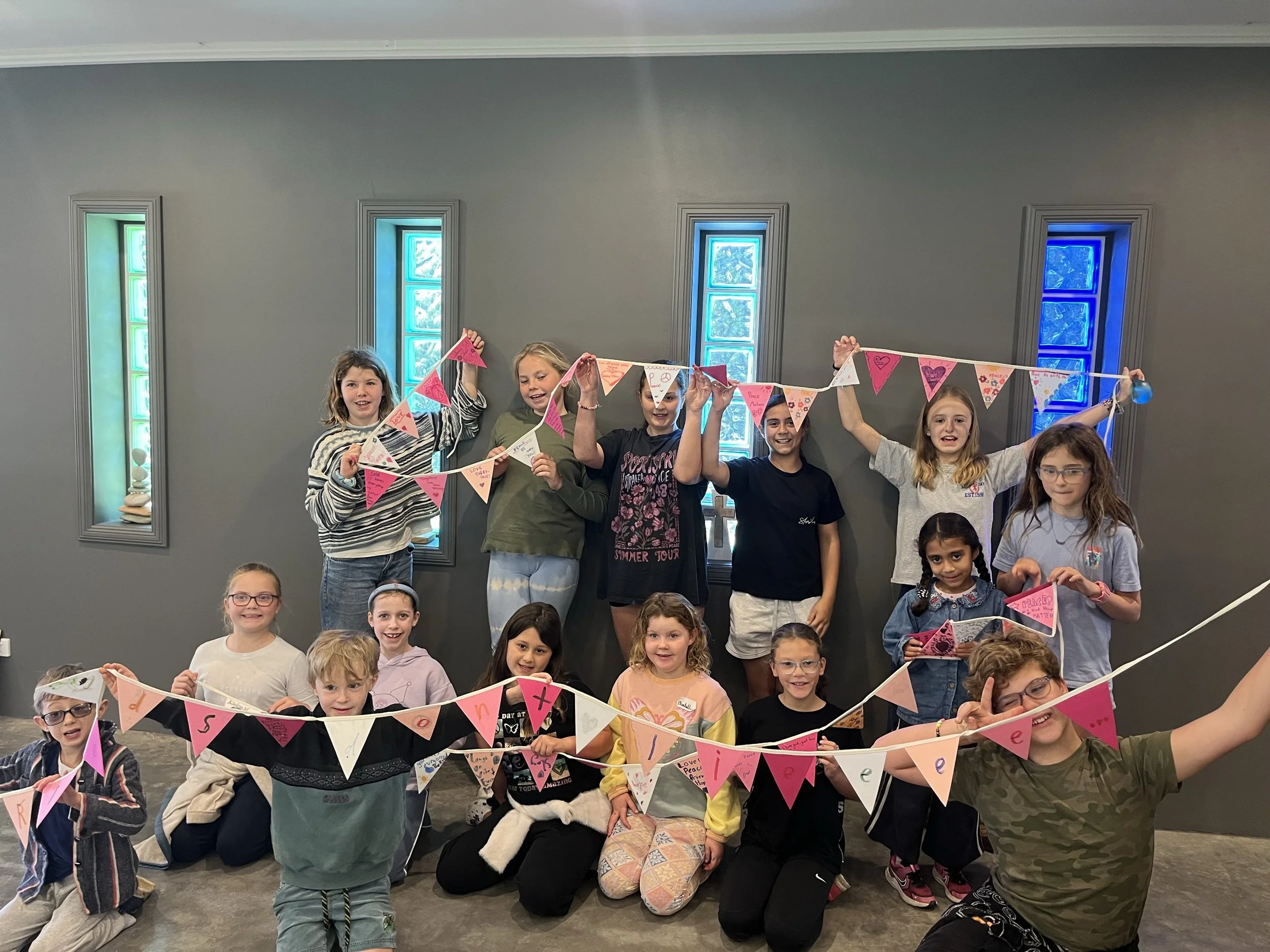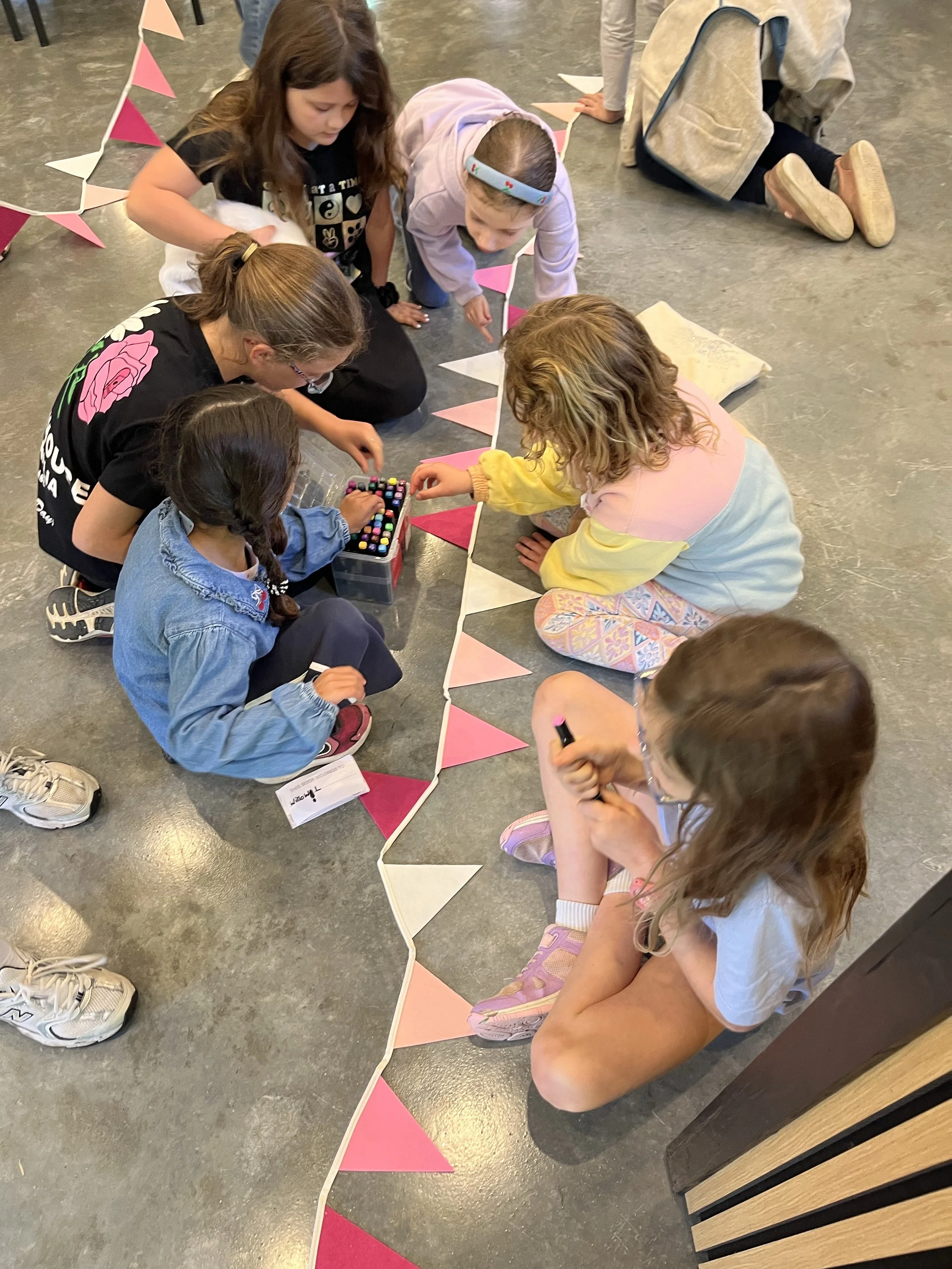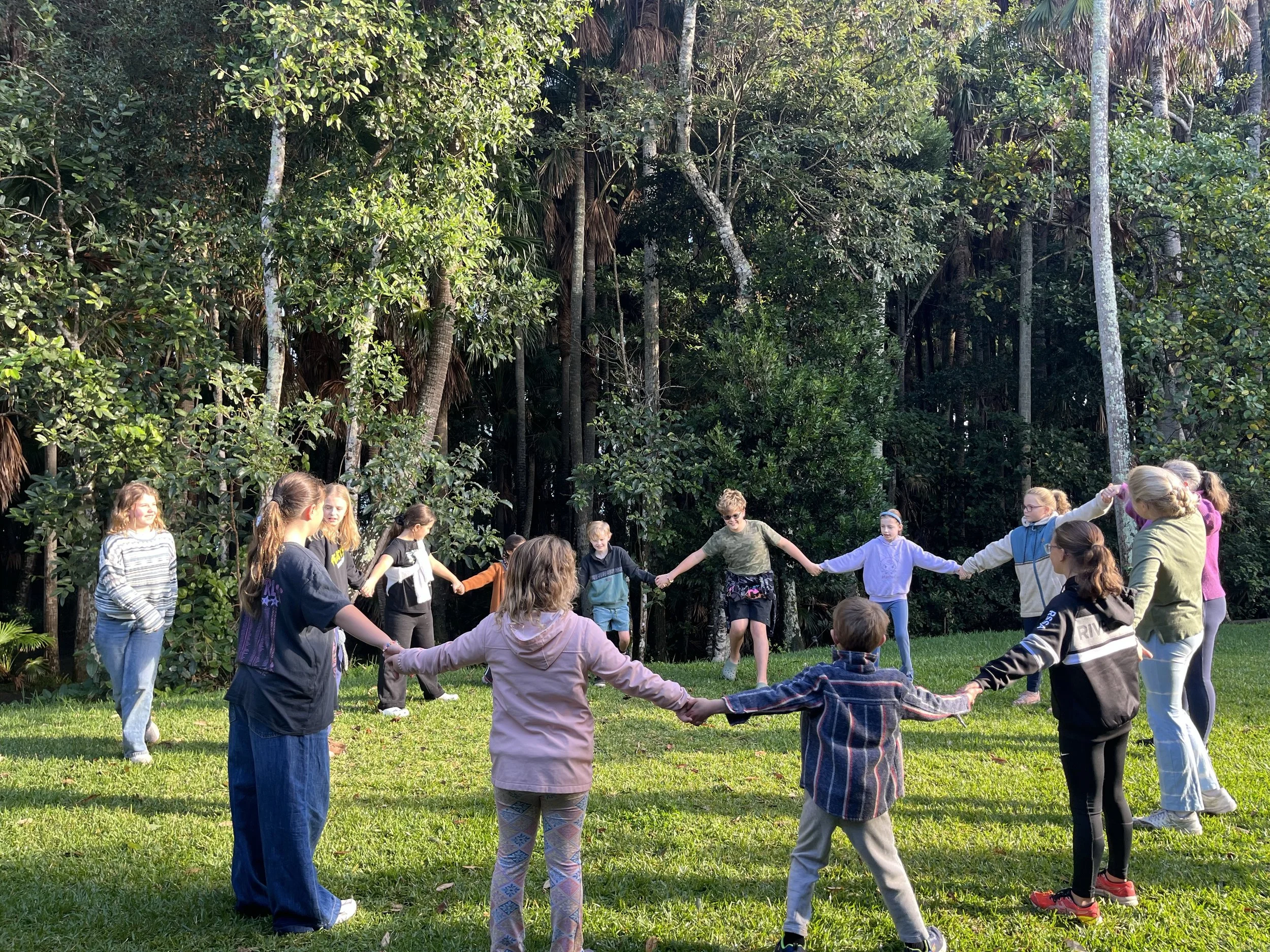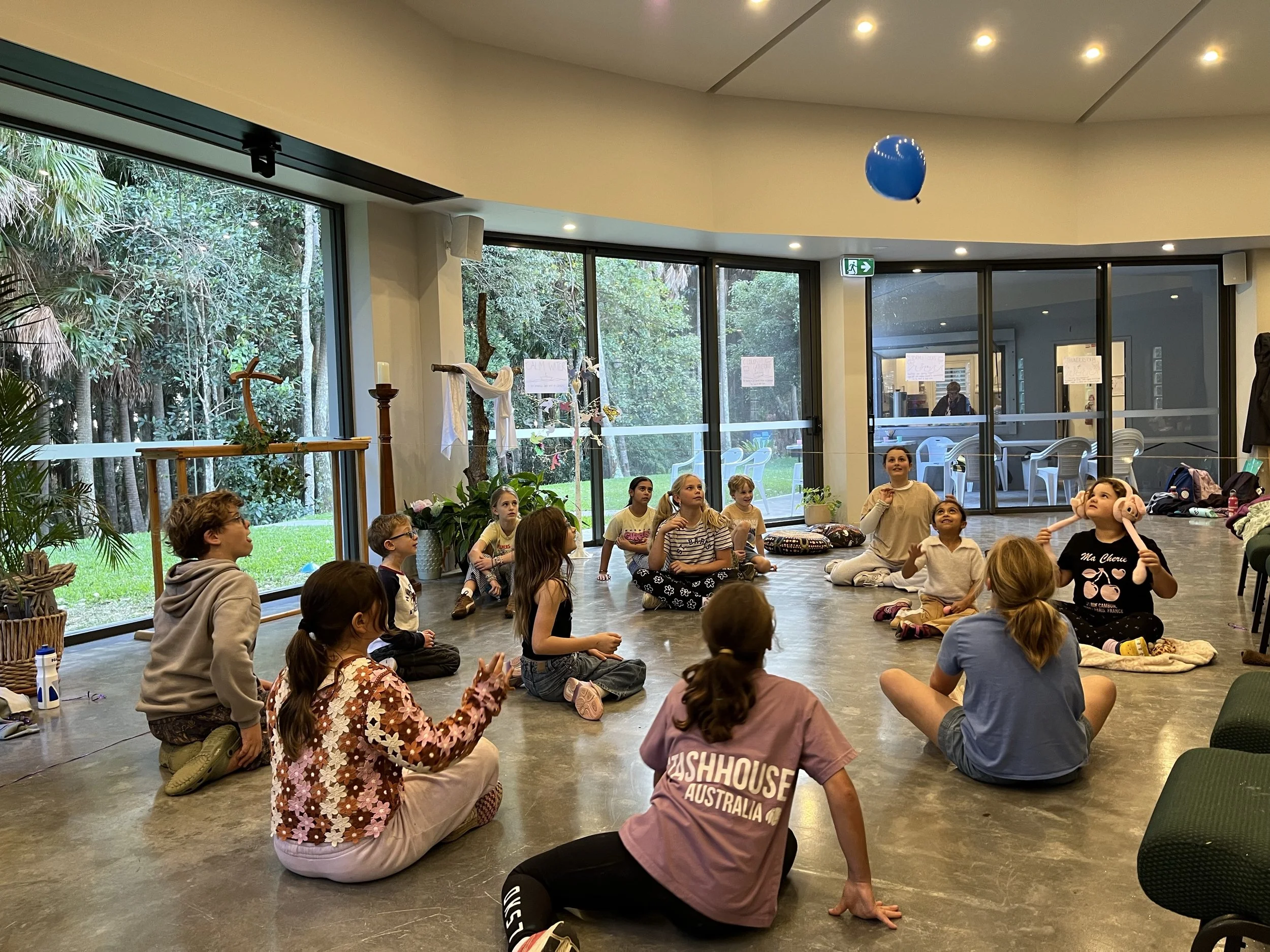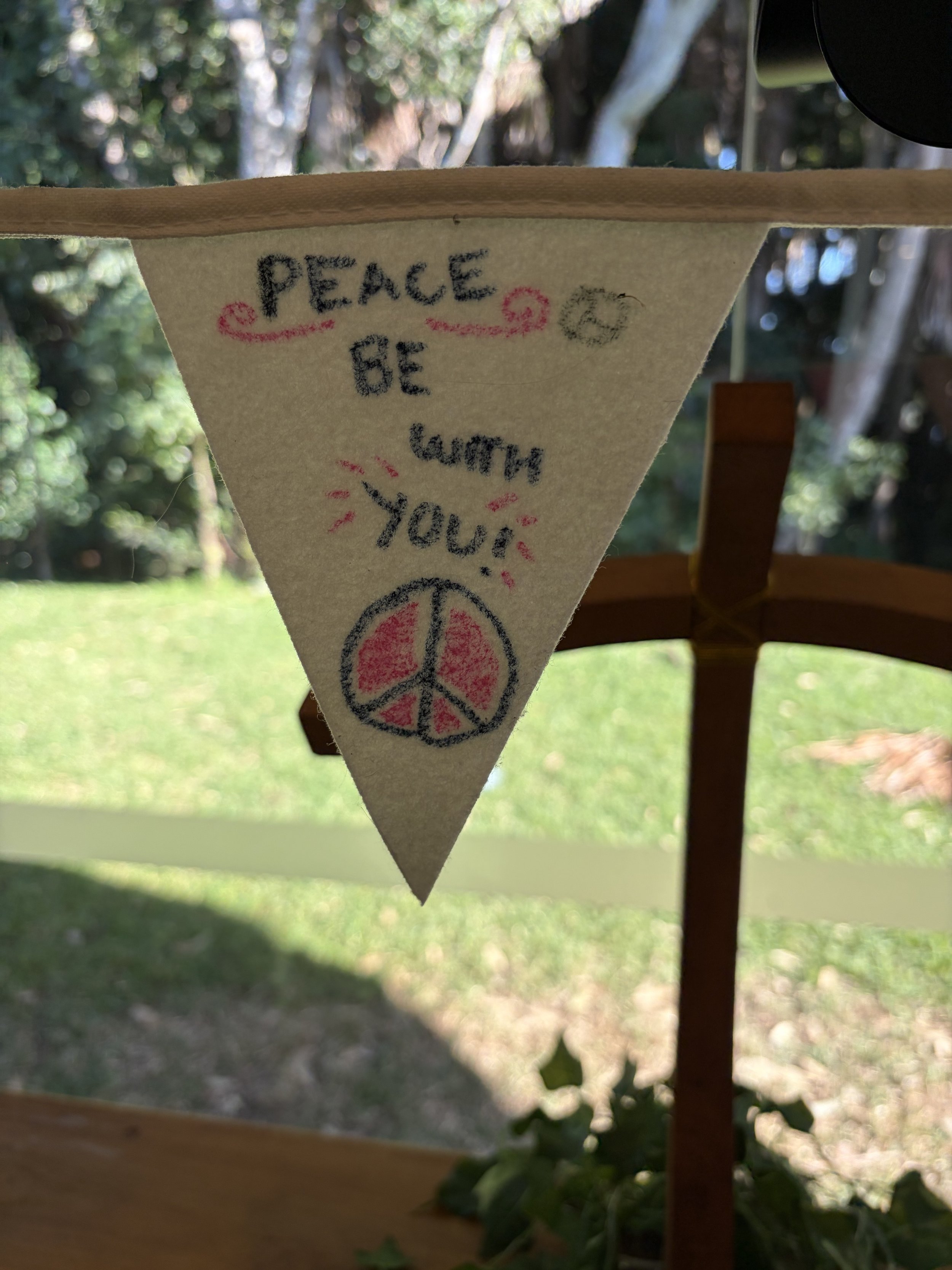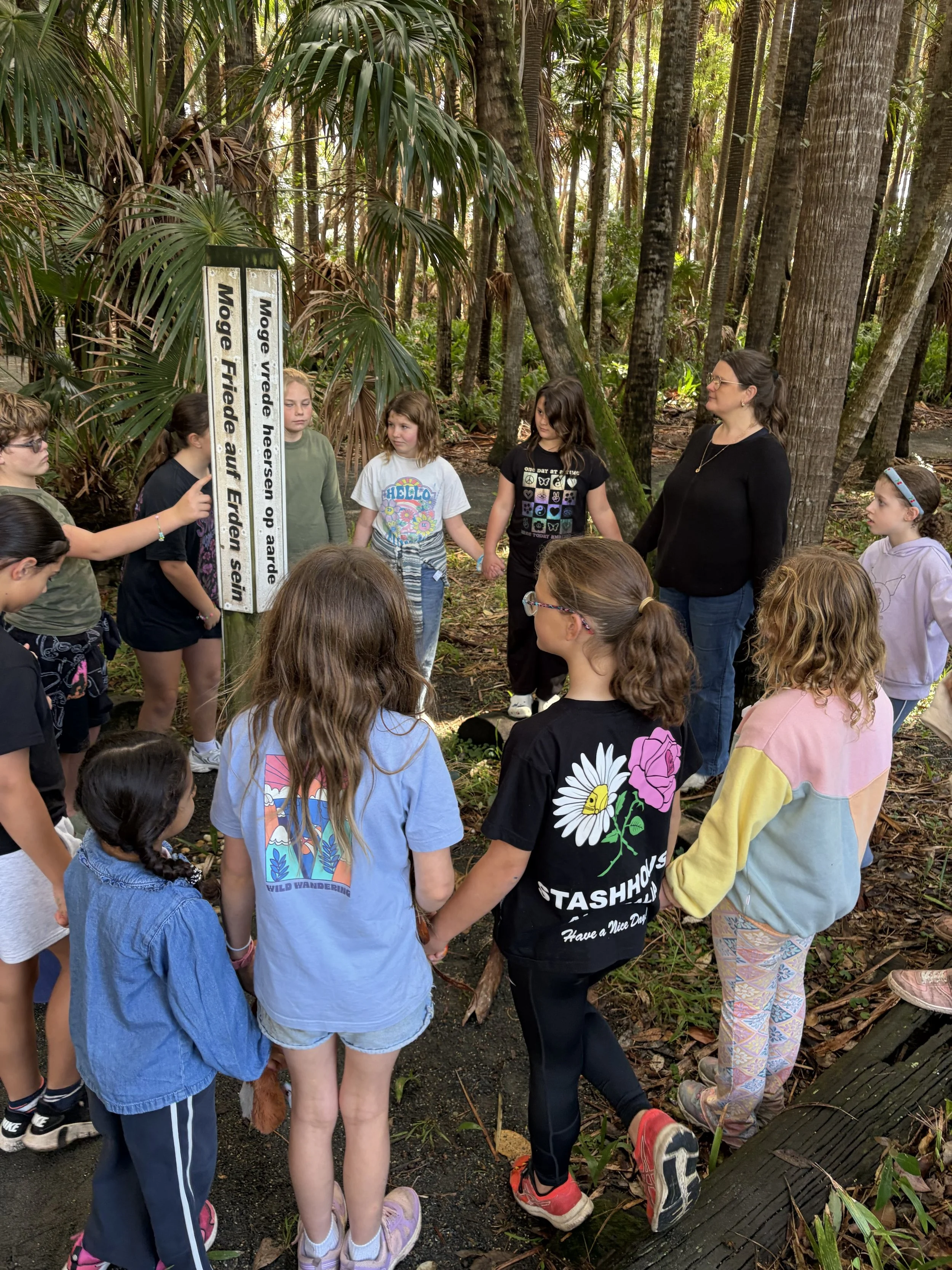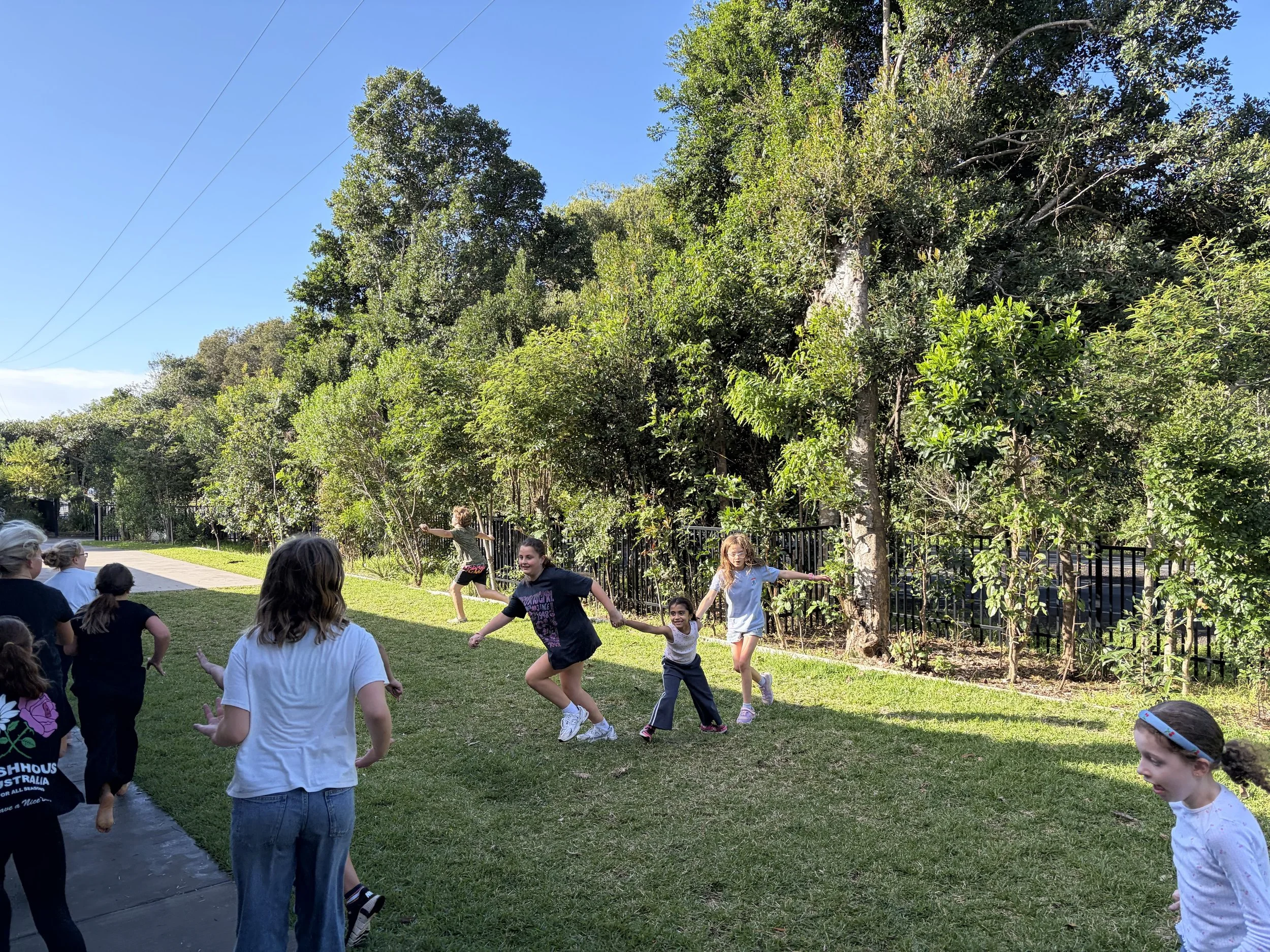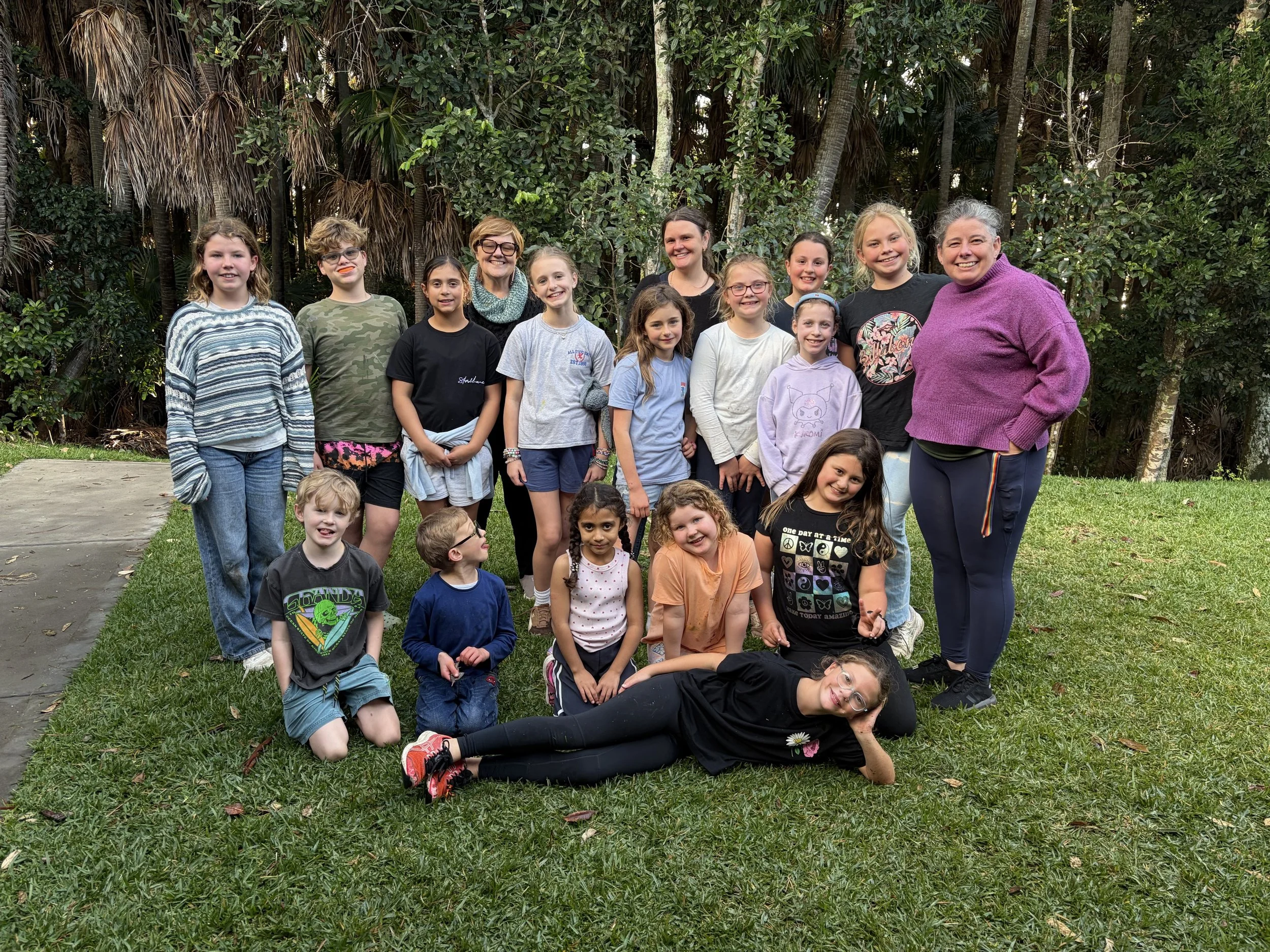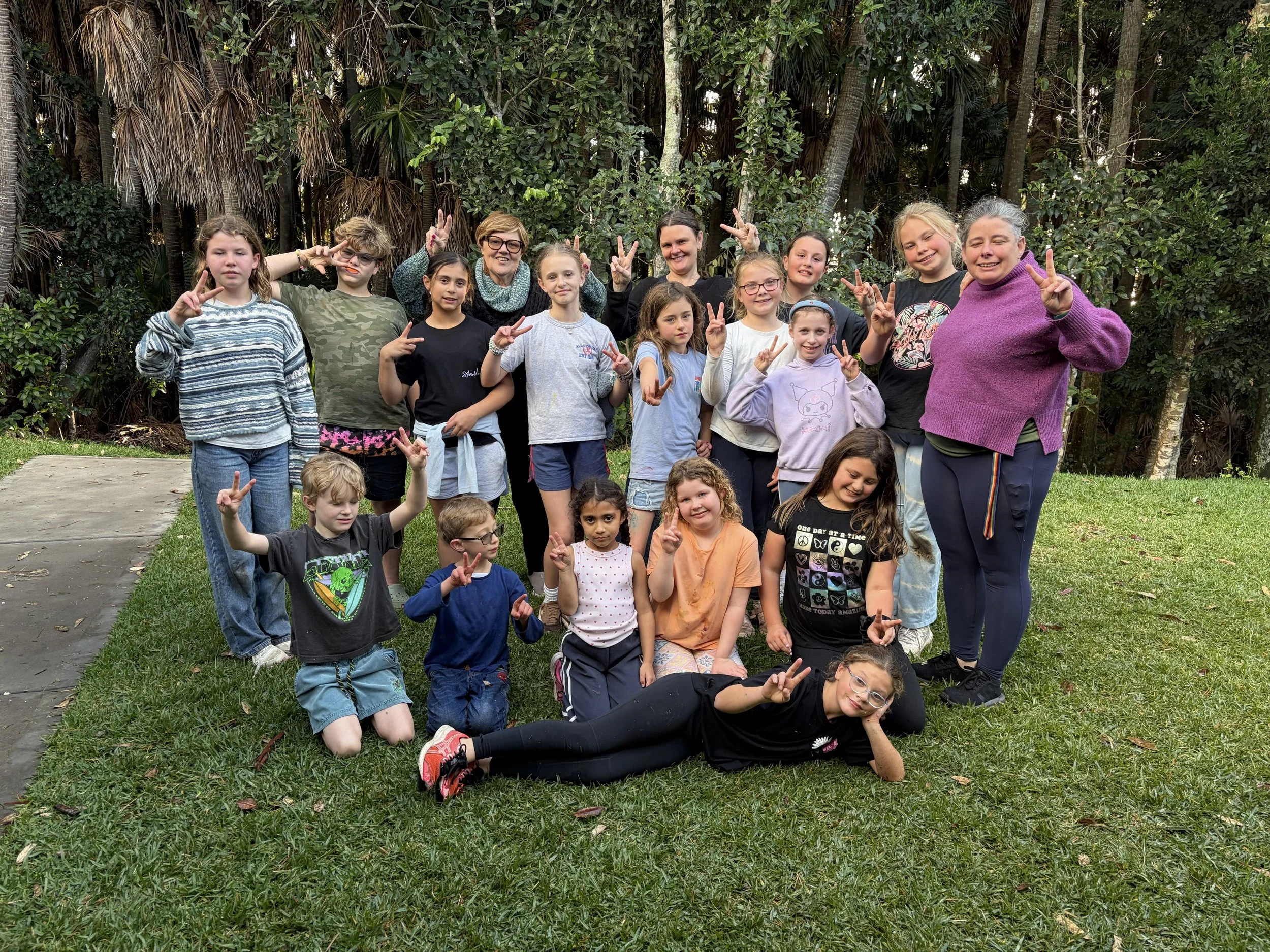
As I sit quietly after returning home from Young Peacemaker’s Club, I find myself reflecting on a week filled with joy, laughter, unexpected hardship, answered prayer and profound lessons.
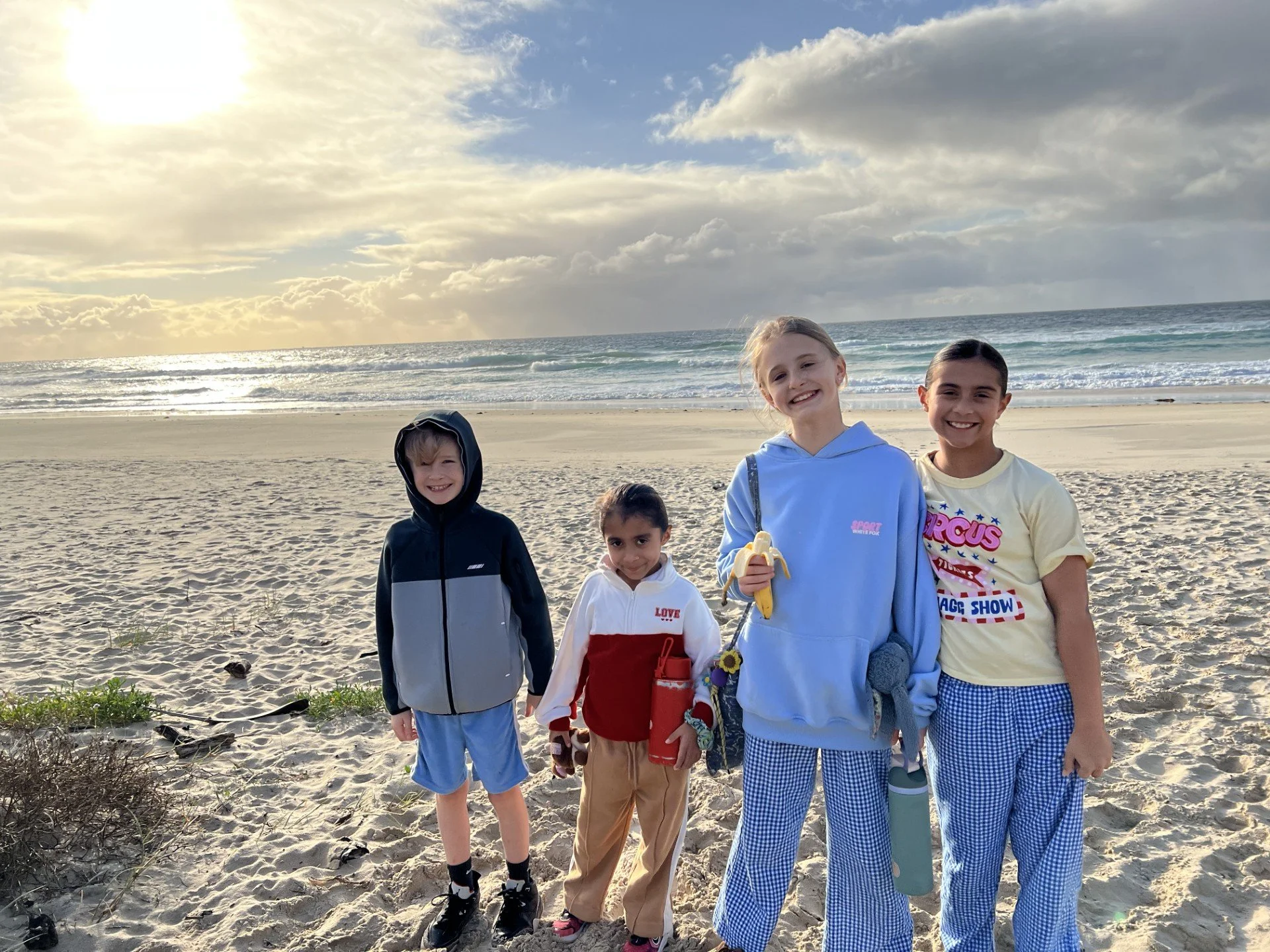
I attended the holiday program at Tiona with my grandchildren for the second year in a row. However, they came with some trepidation. Two had attended Young Peacemaker’s Club before; for the other two, this was their first experience of camp at Tiona. Just because they are children doesn’t mean they come without heaviness, and these tender hearts sometimes need an extra injection of encouragement, loving care and patience.
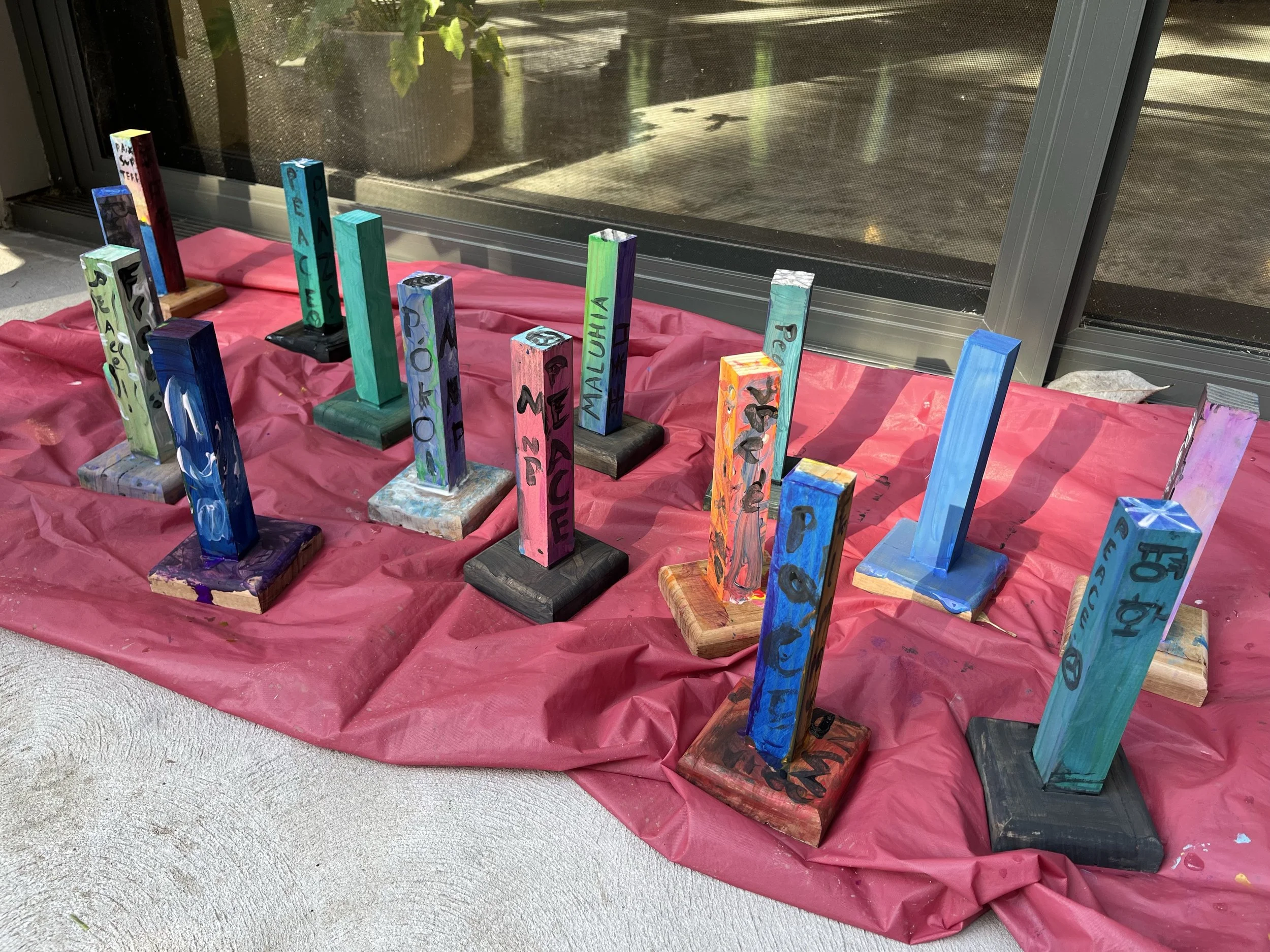
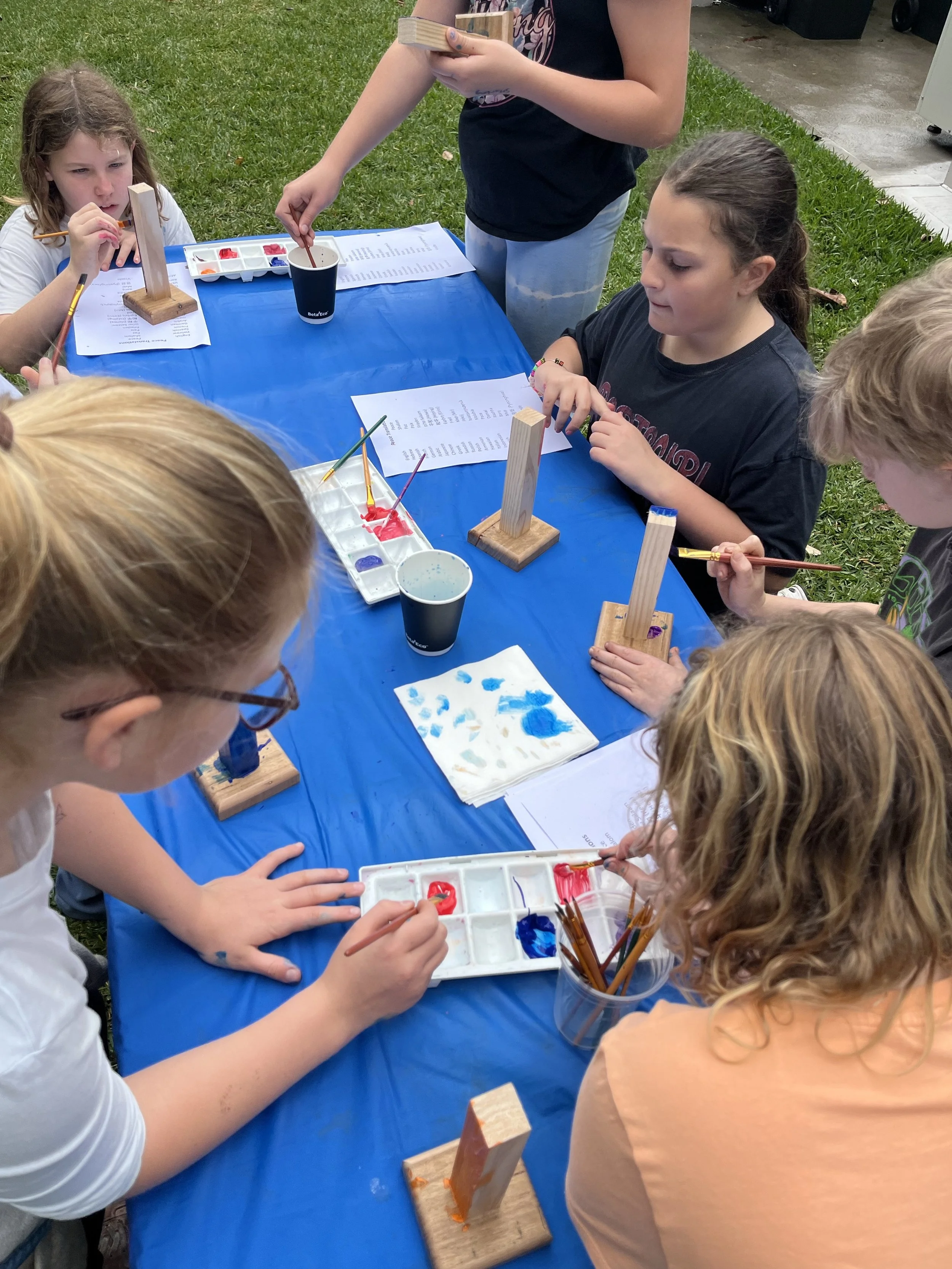
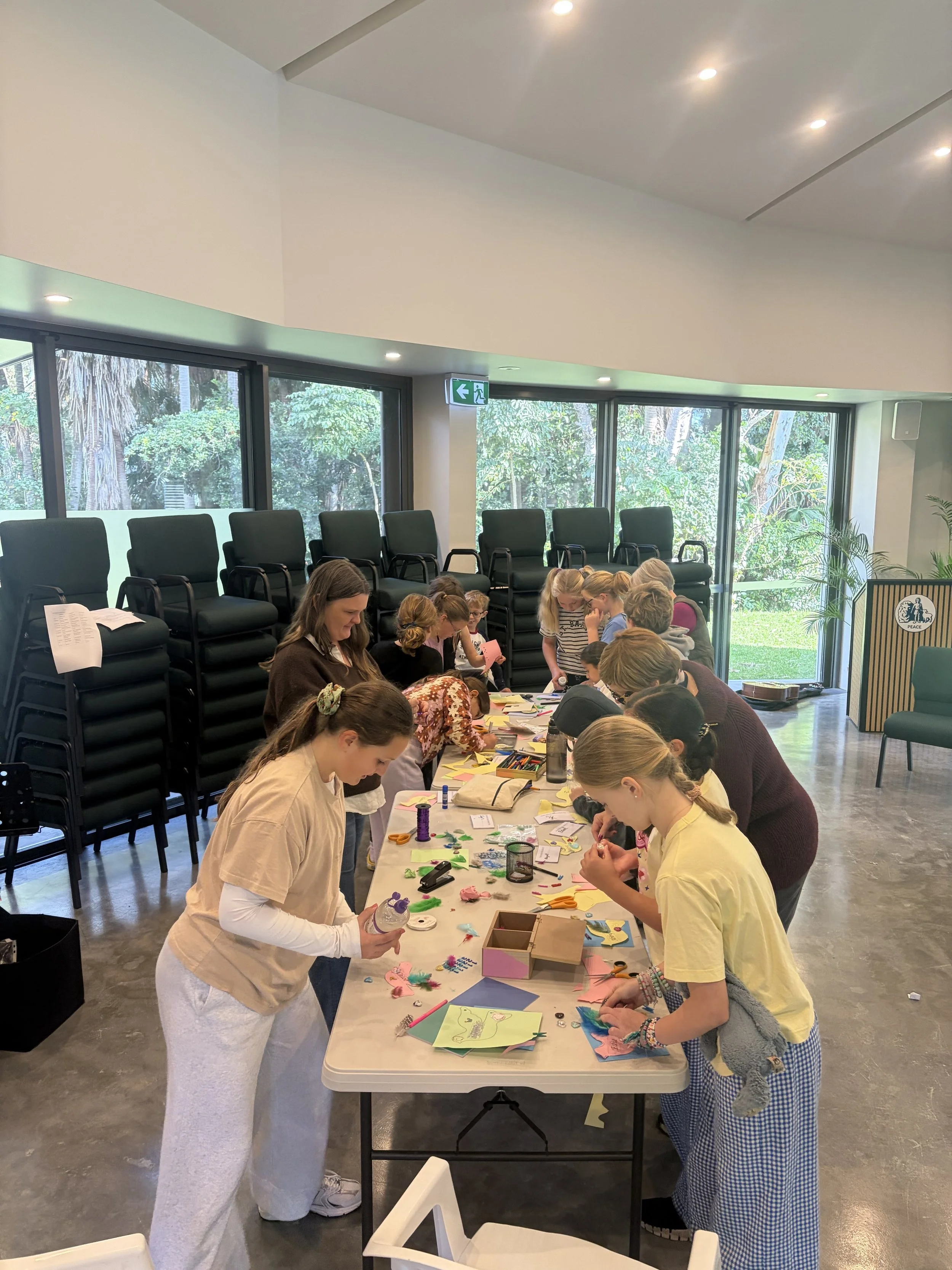
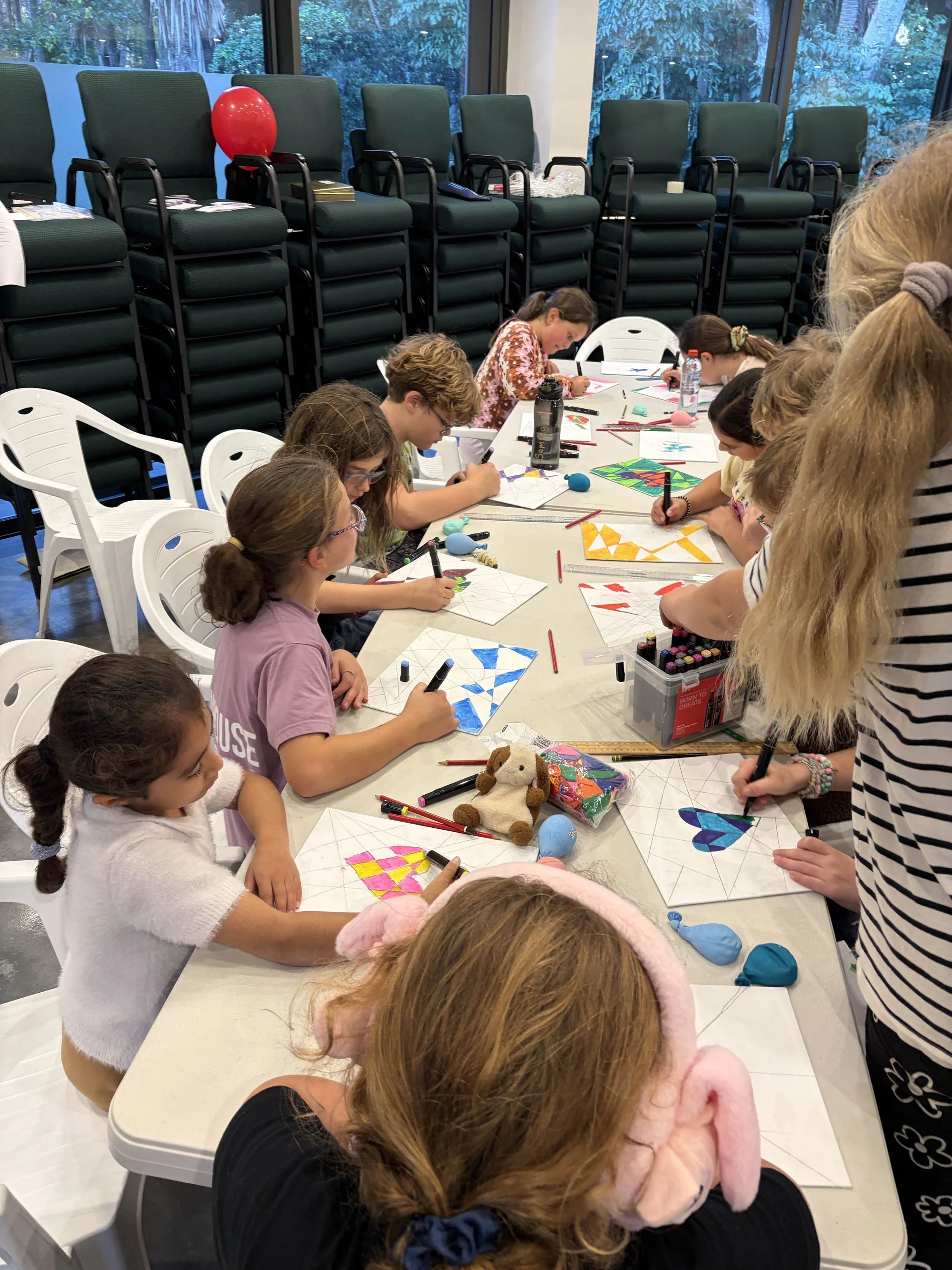
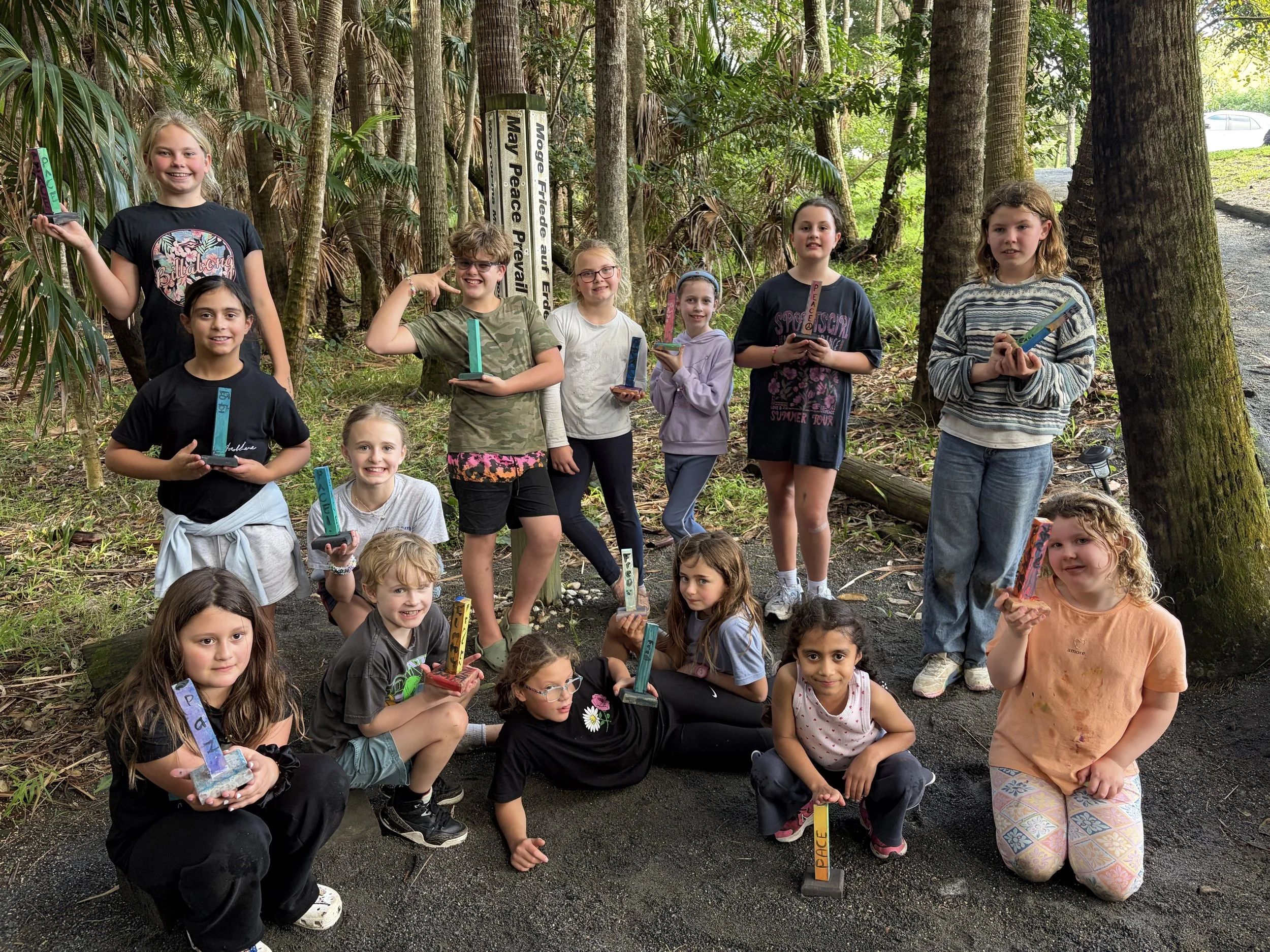
To honour what has been, I must honour what came before and thank the staff—Kass Unger, Wendy Ballard and Emma Ghazarian—for their preparedness. For their giftedness and passion, for their knowledge and eagerness to serve, I give thanks and praise. For the curriculum, the craft, the food, the meaningful worship and music that gave the children a taste of “church”, I am grateful to have witnessed all these things as the children partook. You may never fully know the seeds that were planted this week in young hearts.
I am grateful too for opportunities for my grandchildren to experience the joy of “church” and camp as we know it in Community of Christ. Having had decades of experience in other churches due to my residential location, I have long seen Community of Christ as being ahead of its time in its philosophy, theology, inclusivity and welcome, and my grandchildren met this at Young Peacemaker’s Club. The curriculum for camp was peace; Peace For Me, Peace For We, and Peace For All. It was not just something the children learned; it became something all of them lived these three days.
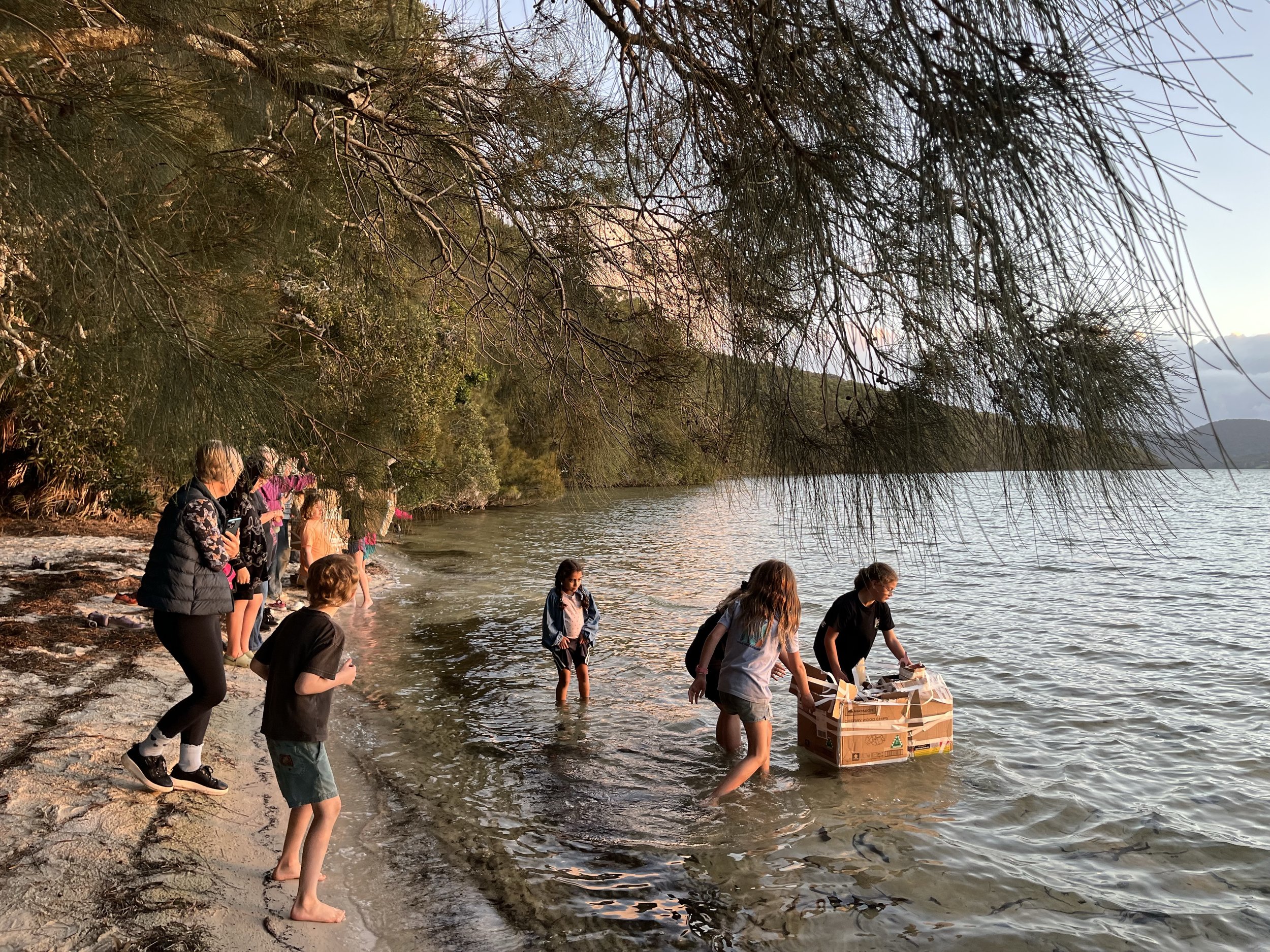
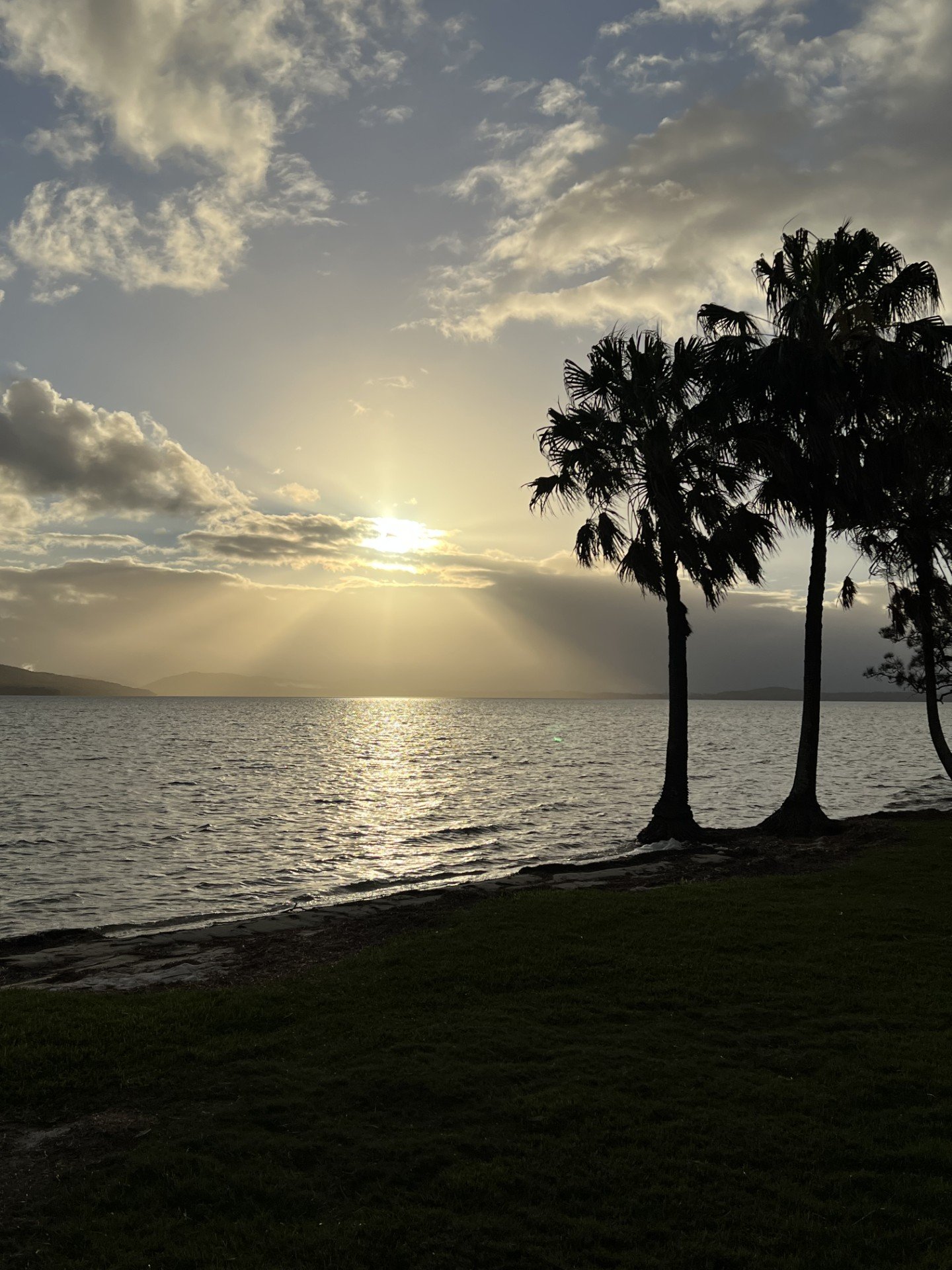
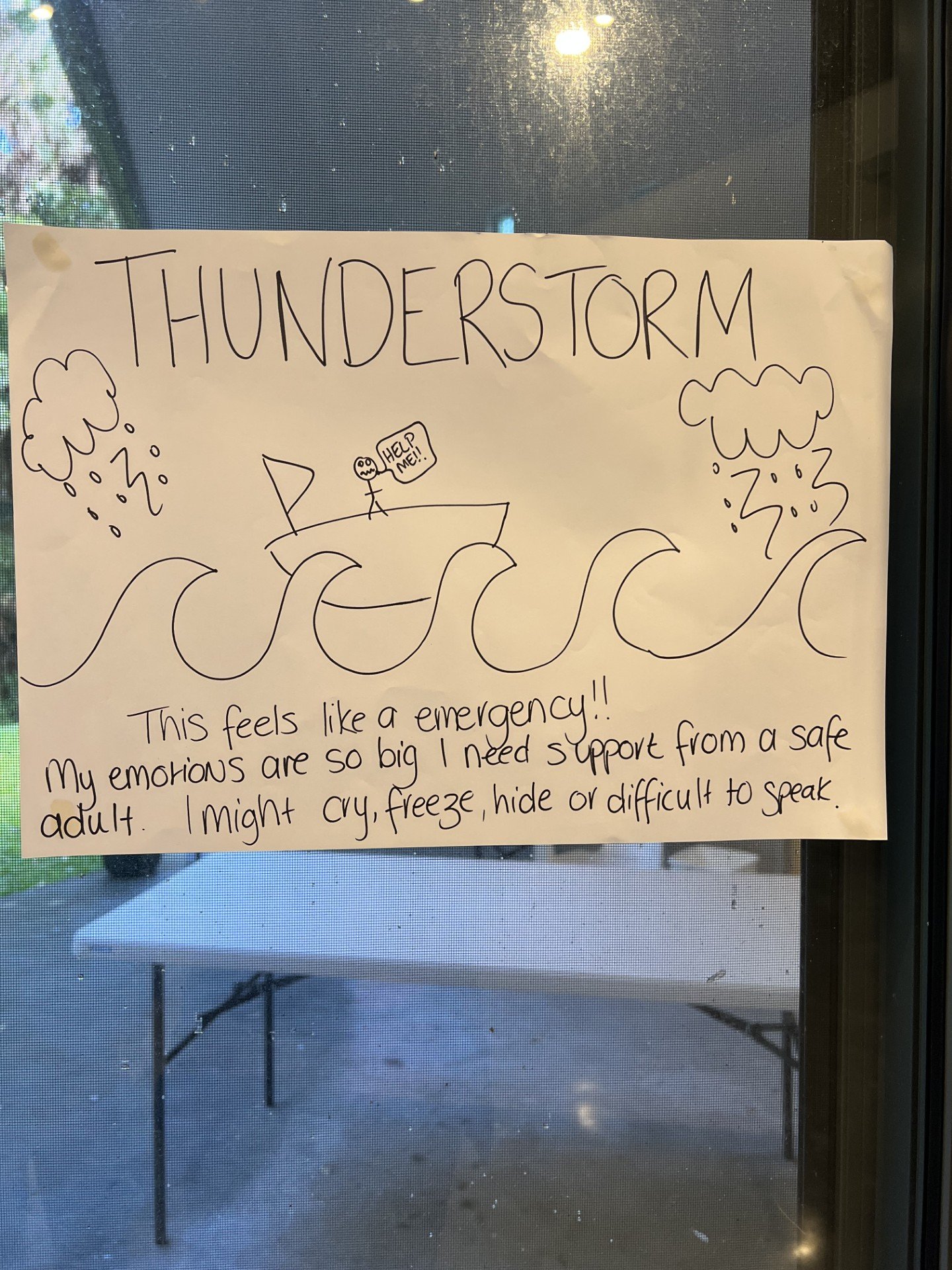
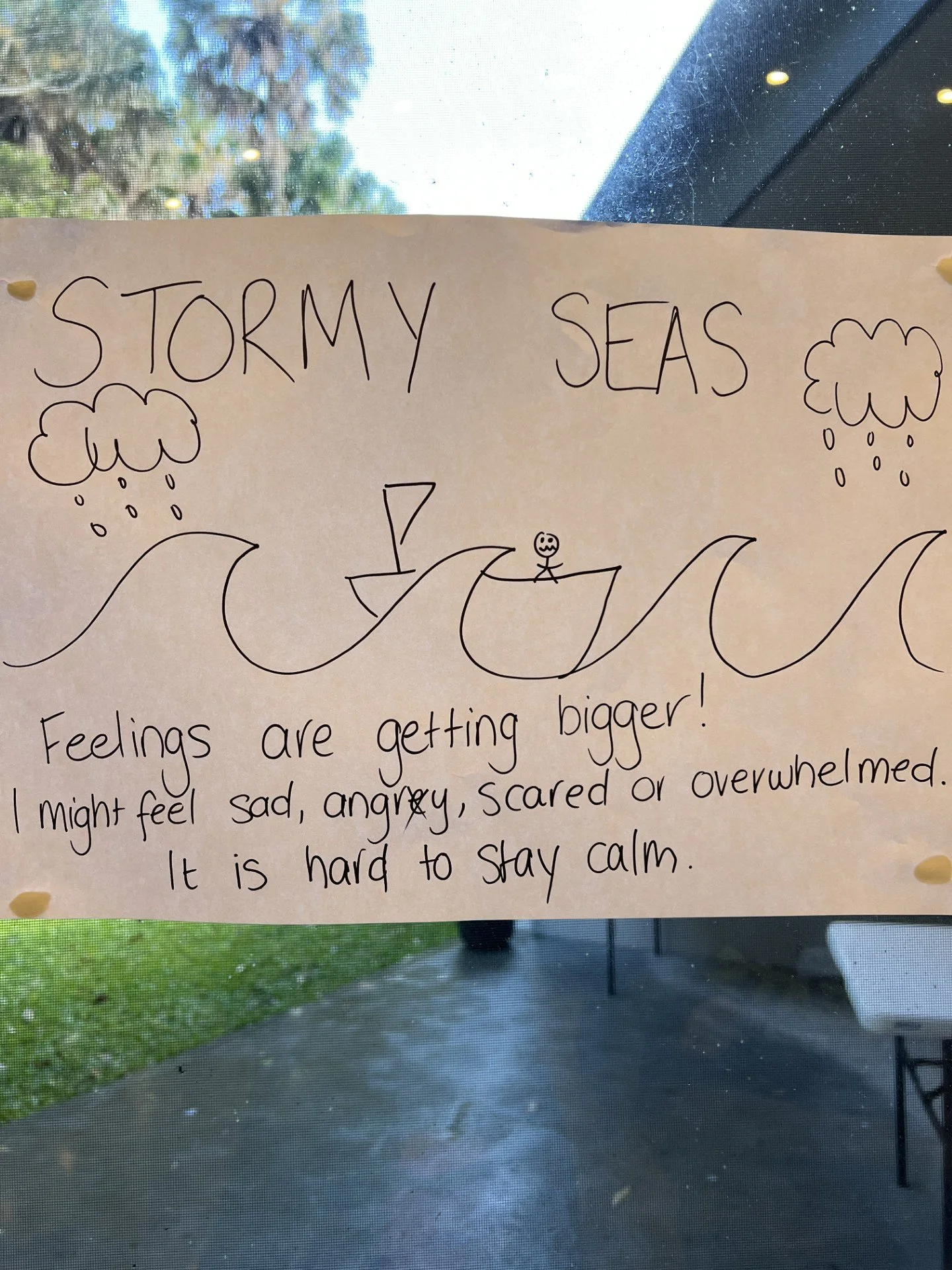
The children learned about Jesus calming the storm, but I don’t think any of us realised just how relevant that message would become. To those that know its history and have lived experiences there, Tiona has always been a special and sacred place. On one side lies the vast Pacific Ocean, with its crashing waves and changing weather. On the other side is peaceful Wallis Lake, sheltered by the land that surrounds it. As we talked together during the week, I realised those two bodies of water became a picture for our lives.
Sometimes we live in the storm. Anxiety, fear, illness, conflict and uncertainty can feel like the waves crashing onto Seven Mile Beach. At other times we experience the quiet of Wallis Lake, where we are held, protected and reminded that peace is possible. Several of our children faced real storms this week. Some were visible, others were hidden deep within anxious hearts. One precious granddaughter wrestled with overwhelming anxiety yet gradually discovered that courage isn’t the absence of fear. Courage is taking the next step even while fear is still whispering. Another granddaughter became acutely unwell, reminding us all how quickly plans can change and how deeply we depend on one another. In those difficult hours I witnessed family, friends, paramedics, doctors and church people quietly doing what they do best: caring.
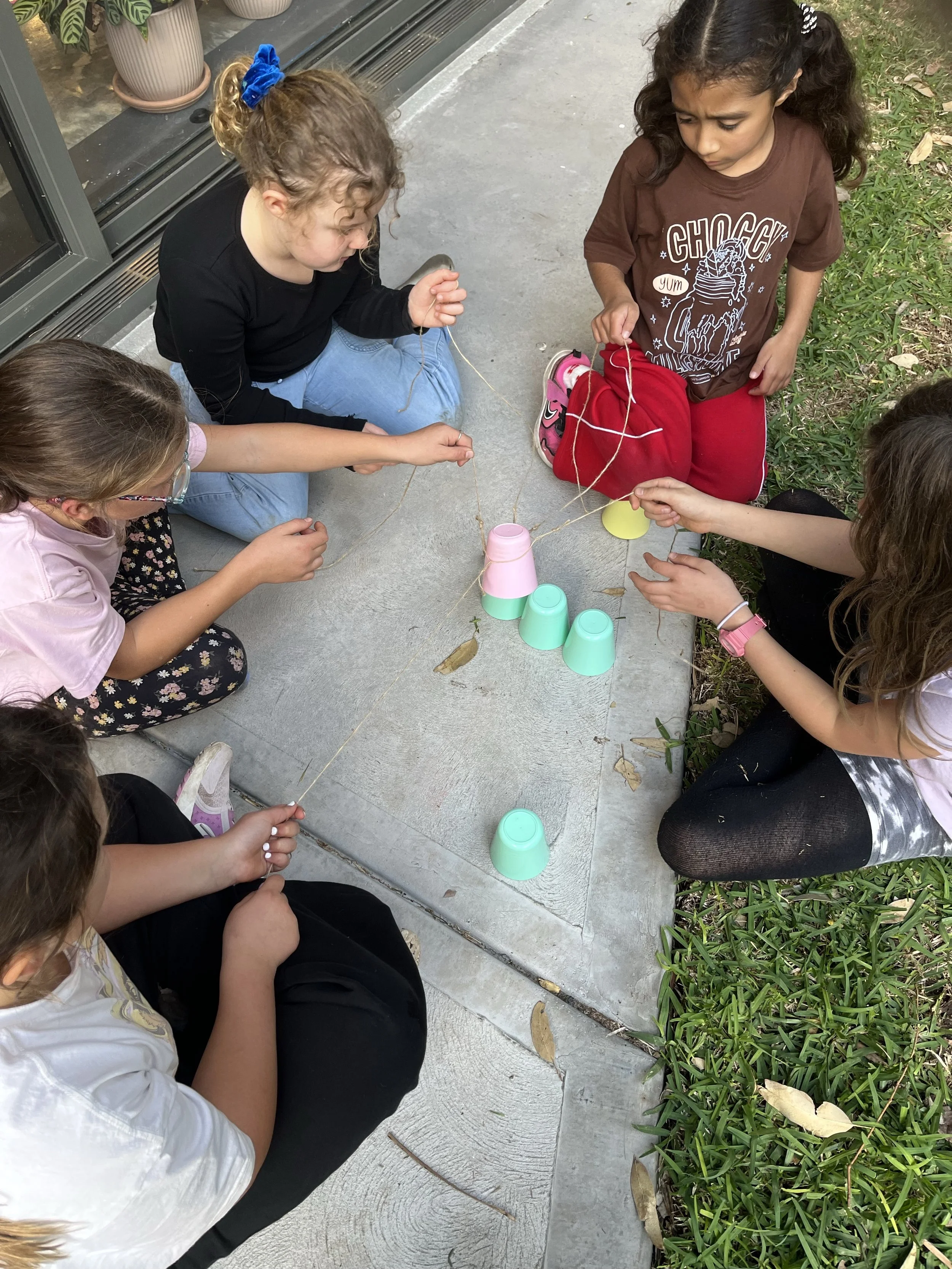
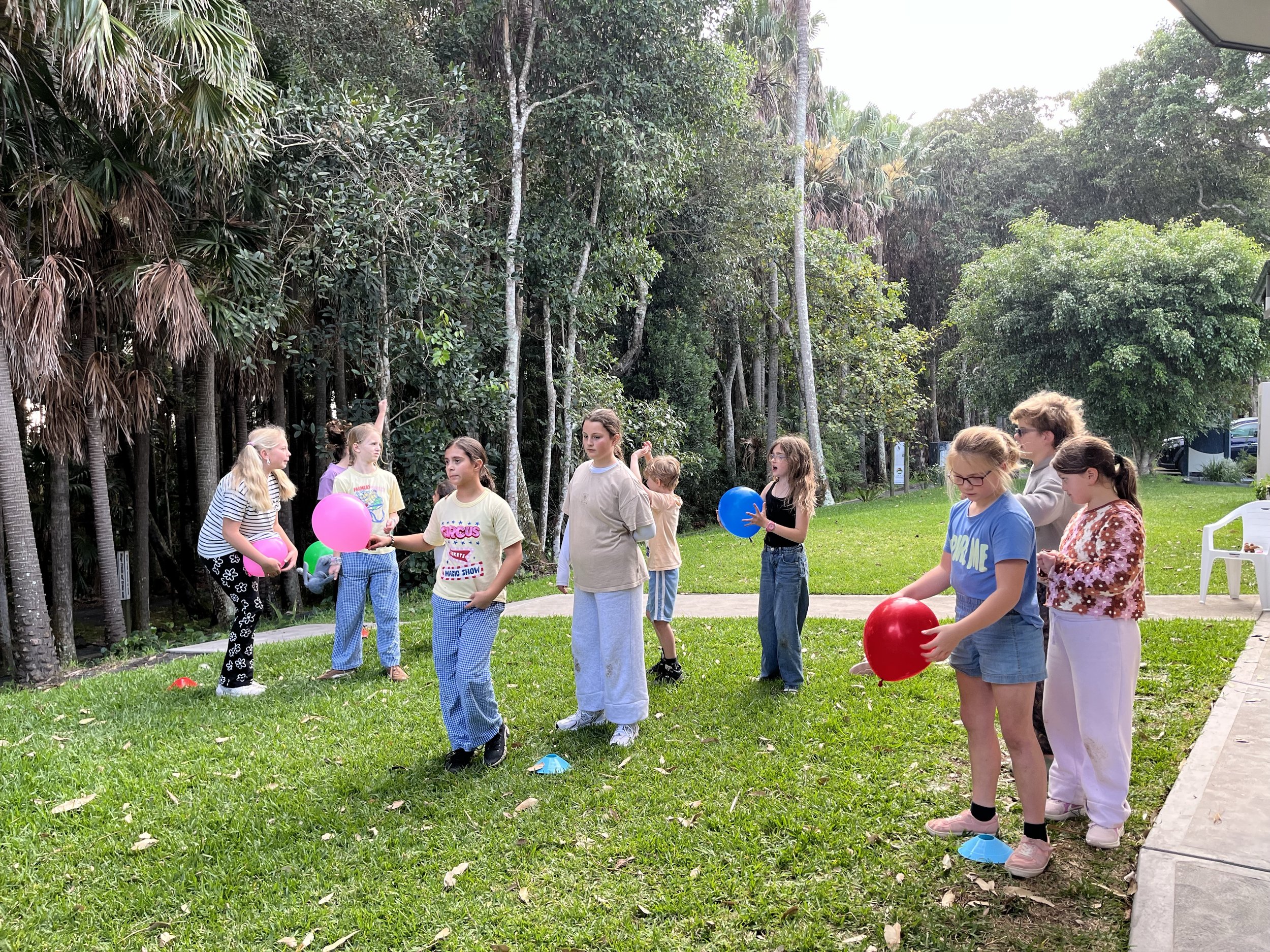
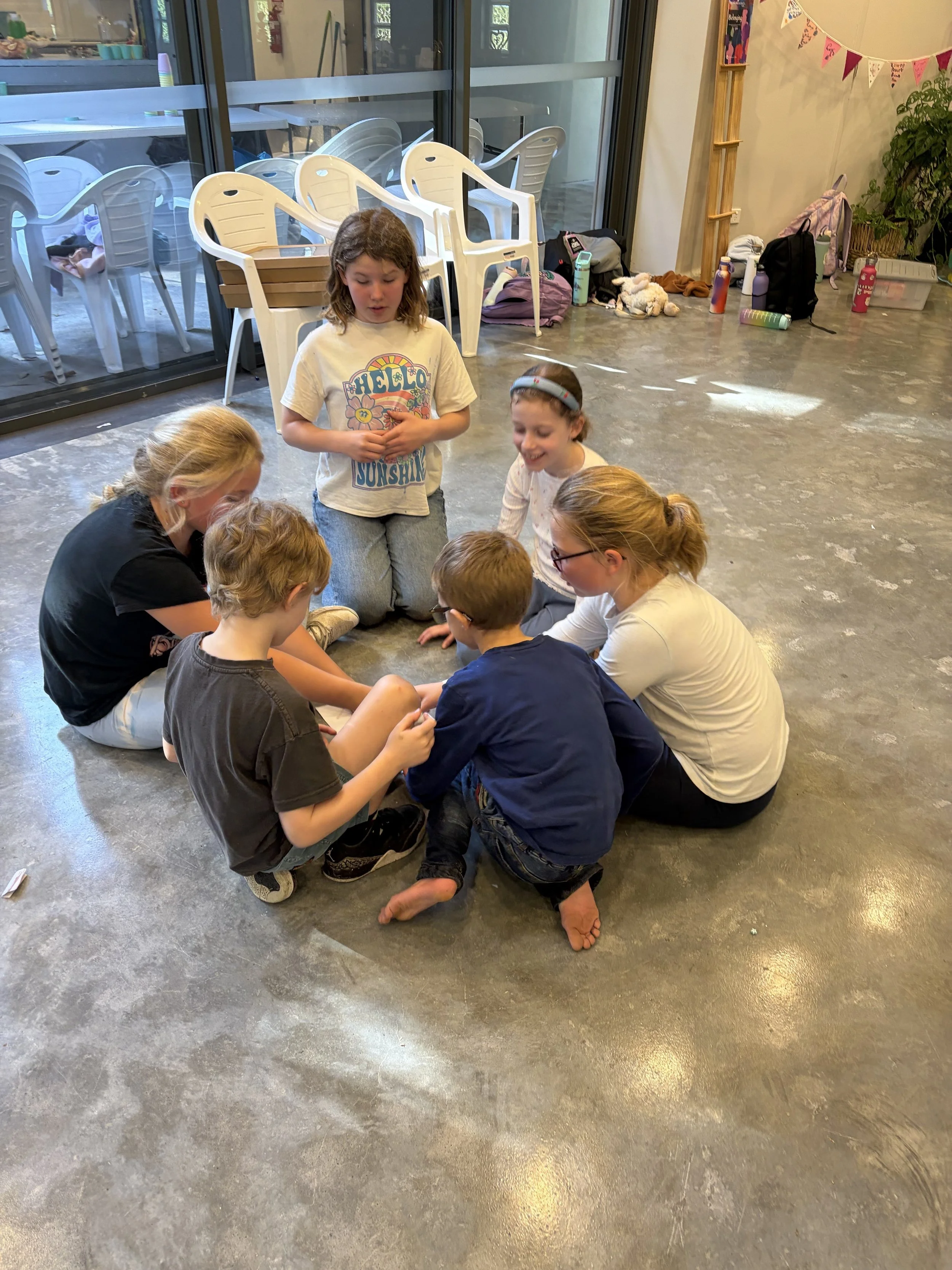
I also watched children do what children do best. They played until they were gloriously dirty. They laughed. They danced. They sang. They encouraged one another. They found joy again after tears. As grandparents, parents and leaders, we cannot remove every storm from a child’s life. We cannot calm every wave. But perhaps we can become a little like Wallis Lake. A place where children know they are safe. A place where they are listened to. A place where they are loved. A place where, after facing the storms of life, they can rest. For me, that is the lasting picture of this week.
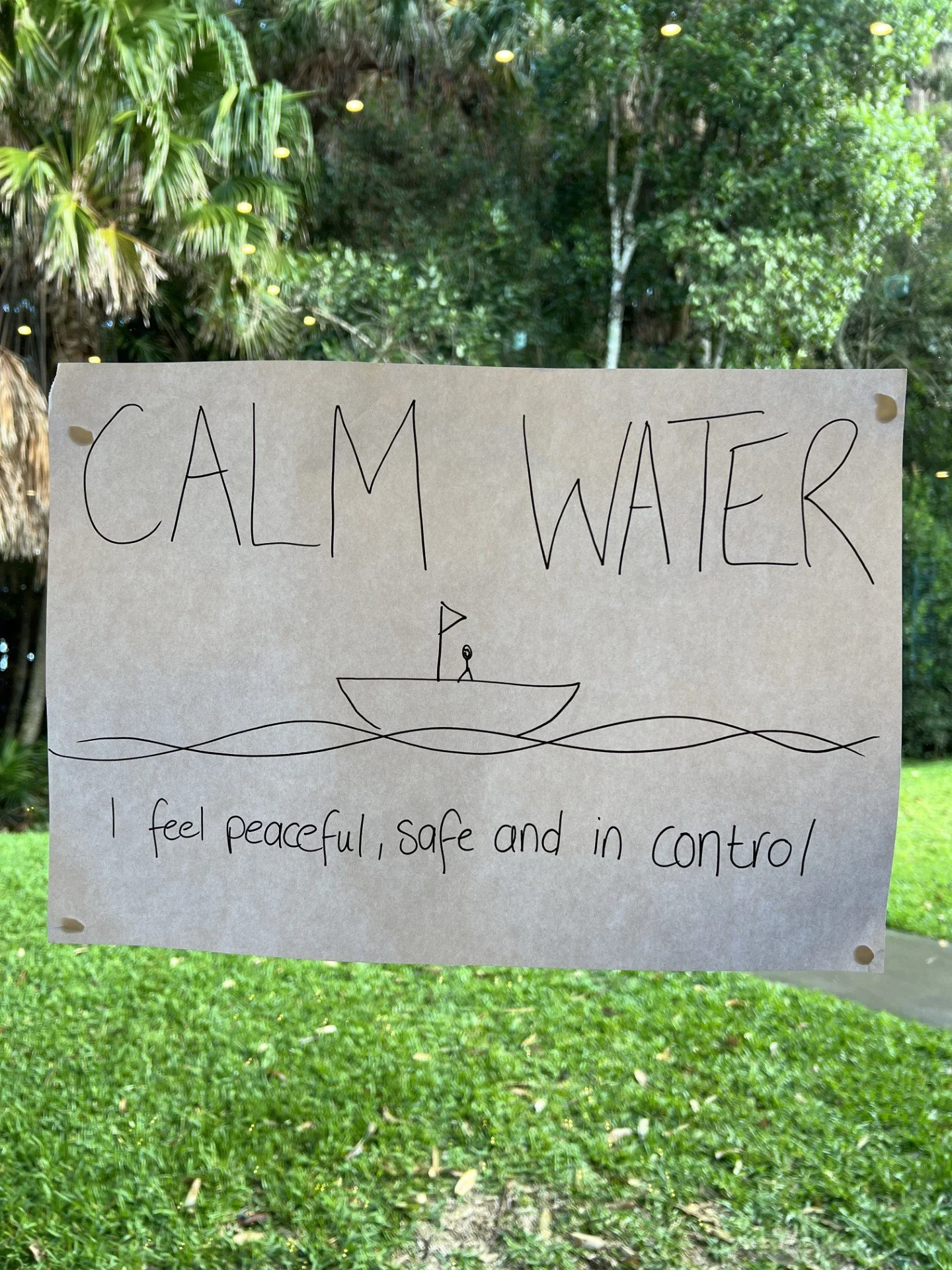
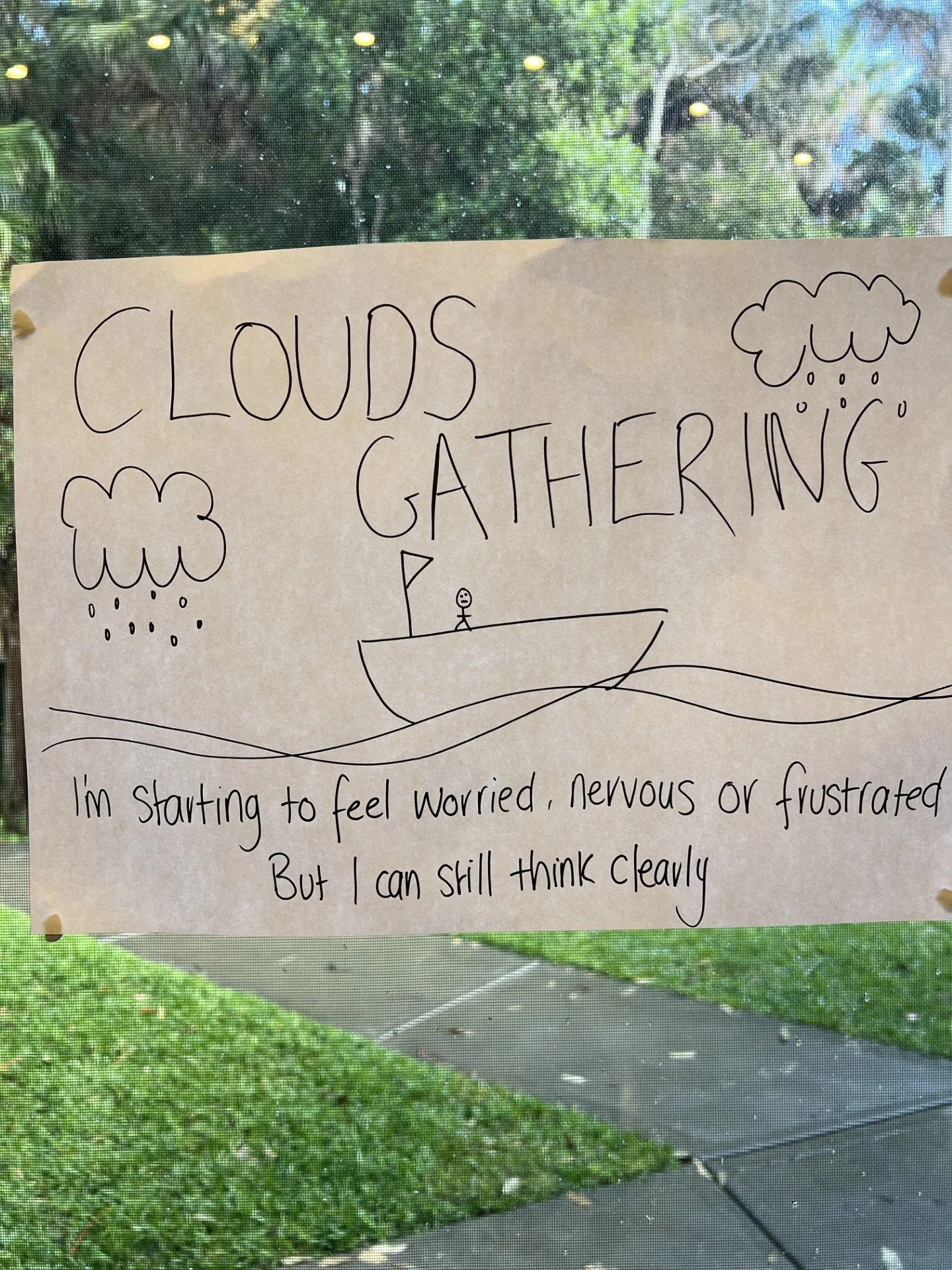
I am grateful for a curriculum that spoke to my grandchildren in ways that allowed us to have conversations together after each day was done. Conversations that centred on calming the storms that arise within us and finding the strength to bring about an equilibrium of peace, restoring nervous systems to rest. Of particular relevance to my grandchildren was the story of Jesus calming the storm whilst his disciples were thrashed about whilst fishing in a small boat.
I was able to create a picture for my grandchildren of the calmness of Wallis Lake and it being held by the surrounding landscape. Being surrounded doesn’t always mean that wind will not ever make it choppy, but being “held” can be an analogy we use in our everyday lives. We can be held by a loving community in Christ’s name as we serve those we love and care for.
The Pacific Ocean remains beautiful in its wildness, but it is exposed to every changing wind and weather. So too are our lives. There are seasons when the storms feel as though they are crashing over us, and it is in those moments that we are called to carry Christ’s peace into the lives of others. This picture resembles our lives.
“Peace I leave with you; my peace I give you. I do not give to you as the world gives. Do not let your hearts be troubled and do not be afraid.” — John 14:27
I returned to my home tired and I am still processing the week that was. Caring for four young children and providing for their needs outside and inside camp, anticipating what might come, what would come, and what did come next took some energy. The medical crisis that eventuated after camp had finished took me by surprise, and being alone with four young children in a relatively remote location made it challenging to navigate what needed to happen next.
Being in the shadow of Booti Booti Mountain means that for holiday makers at Tiona there is no viable mobile reception, and when I needed to call an ambulance for my granddaughter I couldn’t. I couldn’t leave the situation to run for help. I couldn’t send a child to run for help. I needed to use the technology I had and the people I knew to help me through this emergency. A text sent to my son 250 km away in Tamworth to call for an ambulance for his daughter. A text sent to my daughter in Newcastle “I need help” and she left home immediately, driving through the night. A Messenger call to my former sister-in-law, who lives nearby, to please come and help me as we navigated this storm and awaited the ambulance. I am grateful for her response to the urgency and her willingness to sit with her great nieces and great nephew after I left with a very sick child in the ambulance.
Years from now, I wonder what the children will remember of their experience at camp, but one takeaway I hope they can build on is seeing the difference between the lake and the ocean. They are both bodies of water, but one is protected and one is not.
I couldn’t stop the rain. I couldn’t stop the wind. I couldn’t stop the waves from crashing in. I couldn’t stop my granddaughter becoming ill. I couldn’t stop the paralysing anxiety that another granddaughter was experiencing. I couldn’t magically create mobile phone reception to be able to dial 000 myself. I couldn’t make the ambulance come quicker or make the long night in the hospital go away.
I was not the land that was able to keep every storm away. What I have strived to become is the place my family, and most especially my grandchildren, know they can return to when the storm has passed.
There are lessons that were not written in the camp curriculum this past week, but I think there is much that the children have been able to take away and build upon. We didn’t know that my anxious granddaughter would need to compose herself sufficiently to then be the great help and comfort she was to her brother and cousins. We didn’t know that we would need to call upon a Great Aunty and Uncle who are not well known to the children. This called the children to trust and be calm as they were surrounded and enfolded with care amidst this storm.
Events such as these demonstrate to us that children need places where they feel held. Not controlled. Not always entertained.
May we be the voice that says “You are safe here”. May we be a people who can stand tall between the lake and the ocean and be a safe haven for those experiencing their own storms of life.
In conclusion may I leave you with a modern day Psalm of the Lake and the Sea:
The sea is not wrong because it roars.
It is simply the sea.
The lake is not weak because it is still. It is simply held.
So it is with our hearts.
There are days when the waves rise, and the wind shouts louder than our courage. There are nights when fear splashes over the sides of our little boats.
But there are also quiet waters, where stories are read, egg sandwiches are shared, children laugh, and a grandmother’s presence says, “Rest here for a while.”
Lord, make me not a wall against every storm, for that is beyond me.
Make me instead a sheltered shore, where weary hearts remember what peace feels like.
And when my grandchildren are grown, let them carry that shoreline within them, so that wherever life takes them, they will know there is always a way home.
Amen.
Jeannine Lewis
What is the Young Peacemakers Holiday Program?
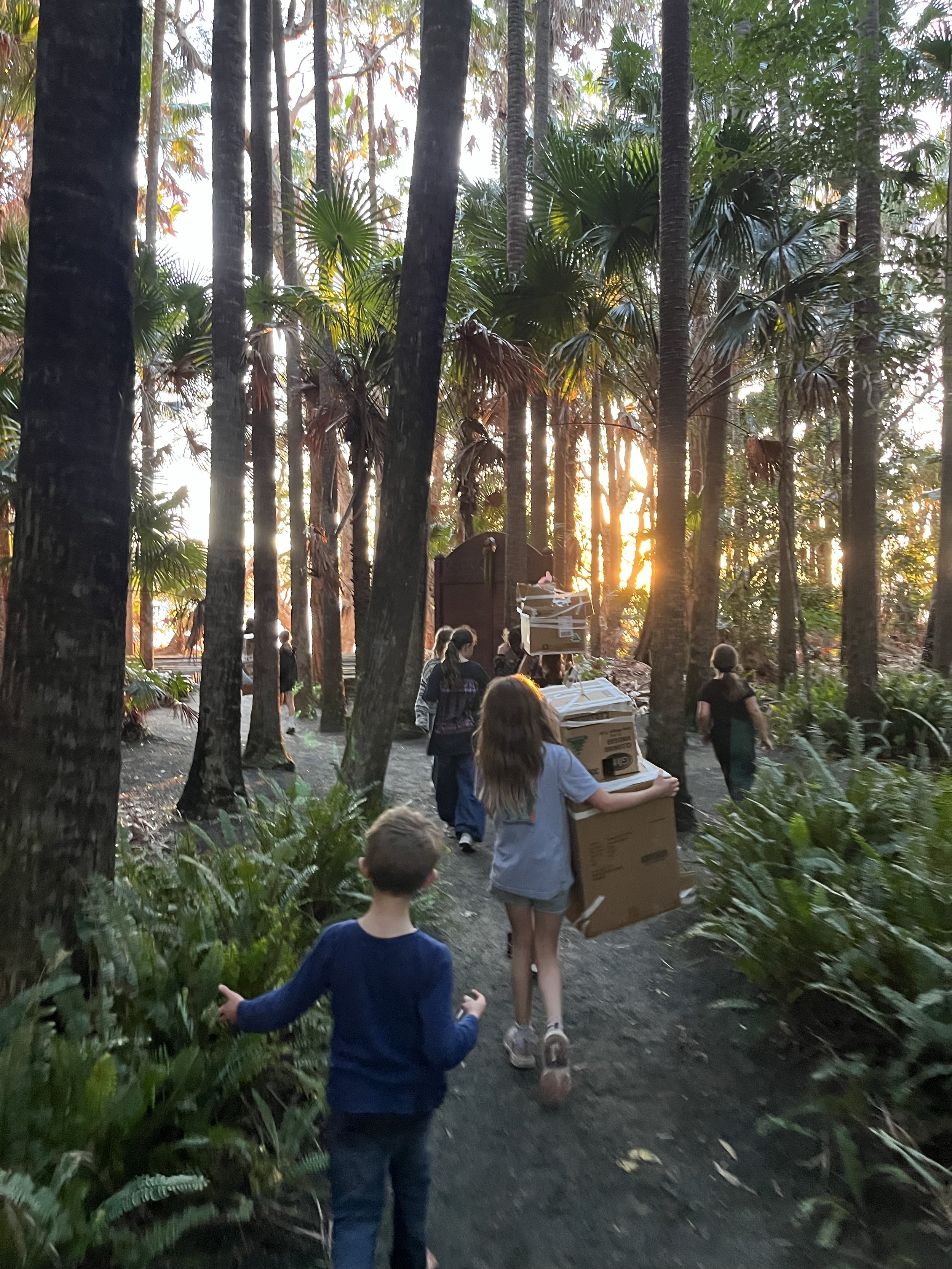
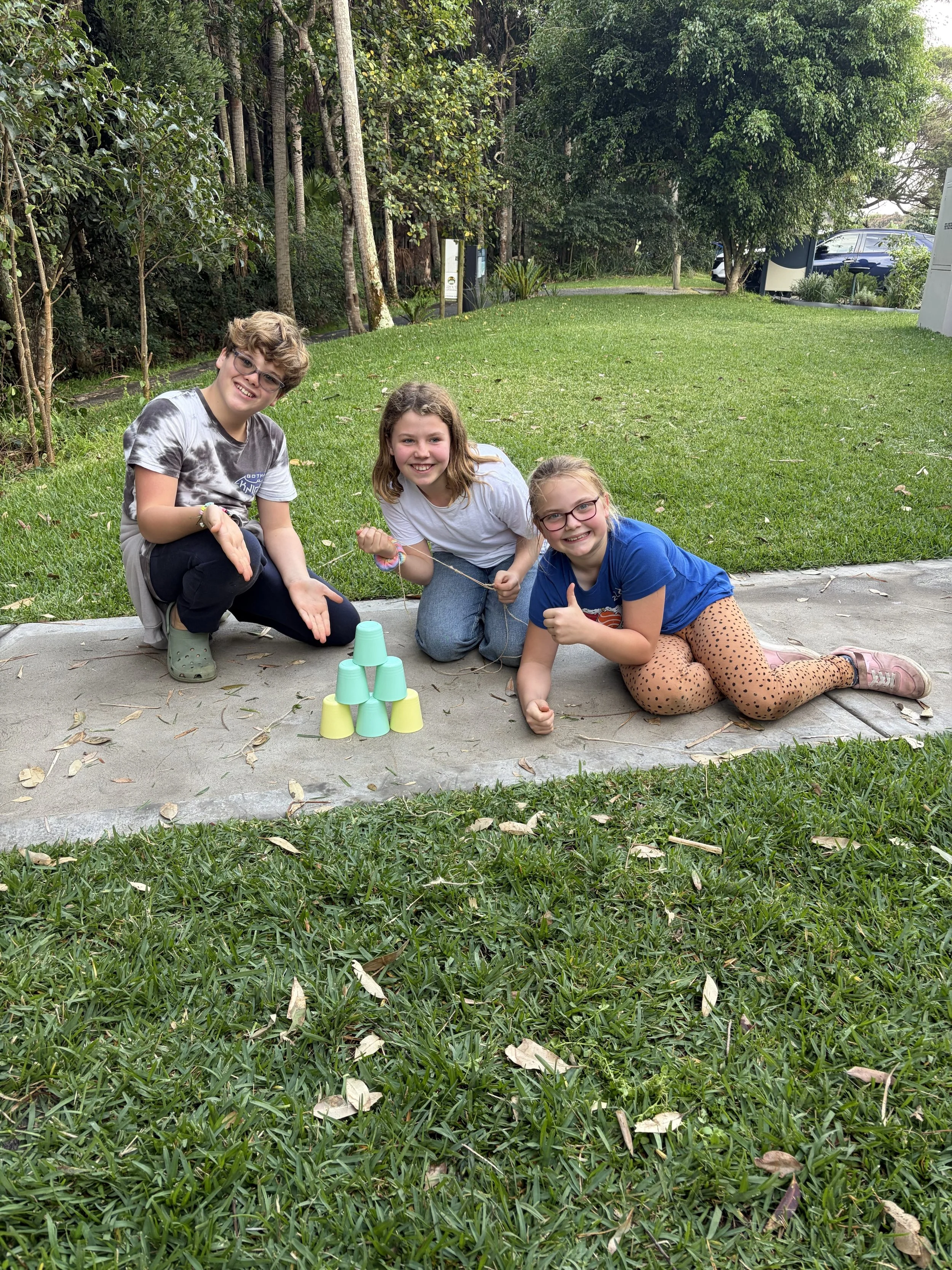
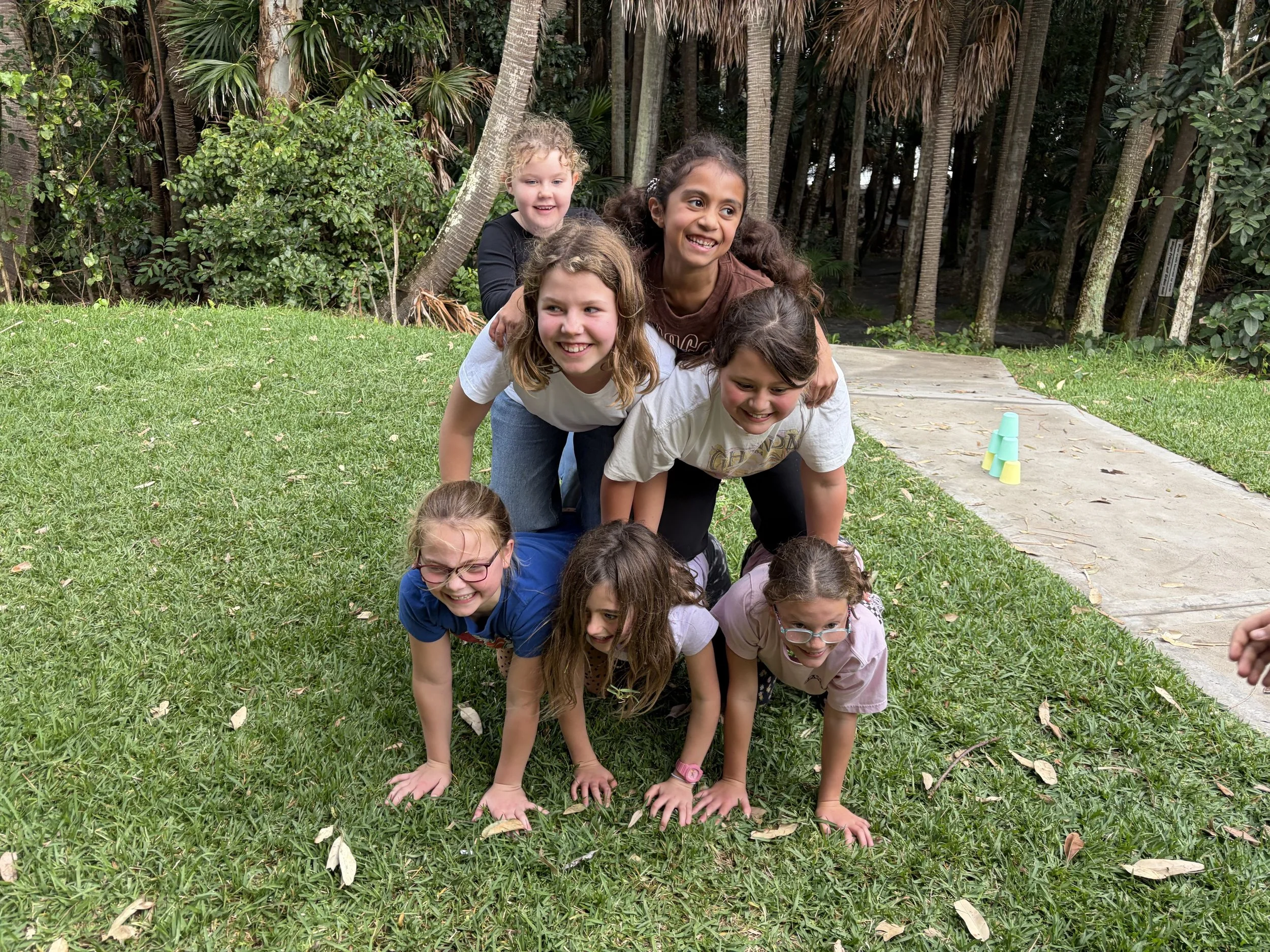
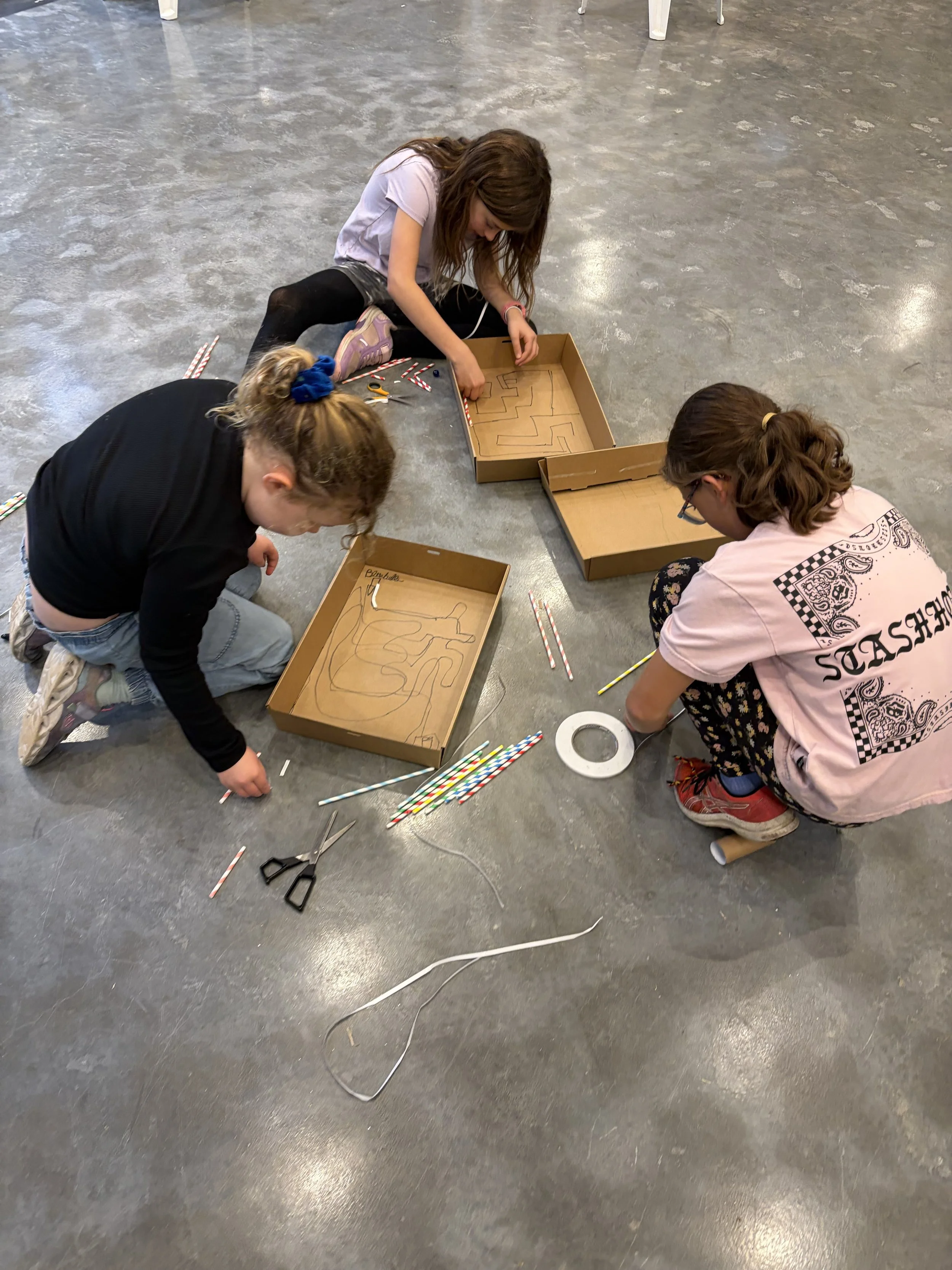
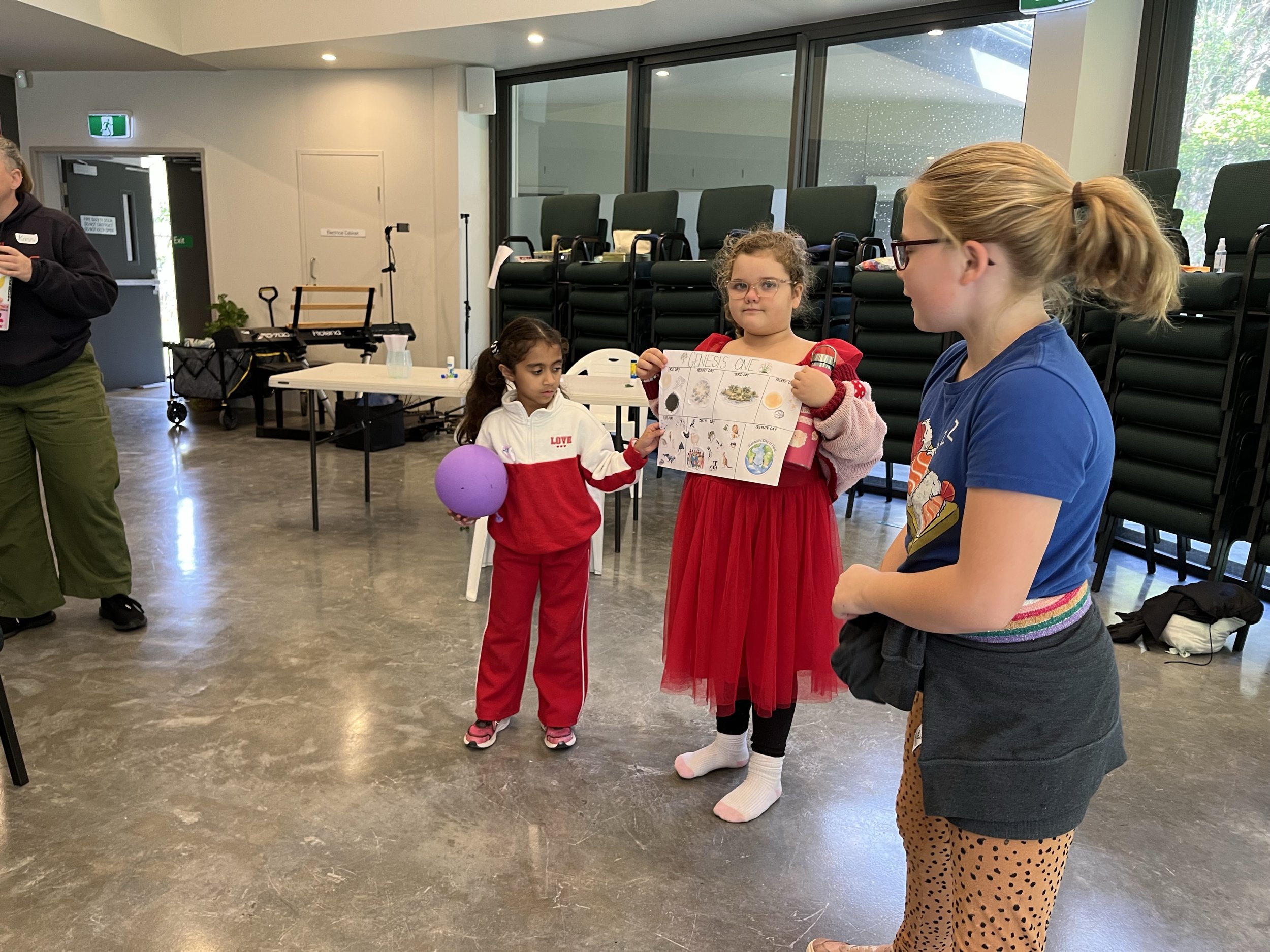
Now in its second year, the Young Peacemakers Holiday Program is a three-day daytime program for primary school-aged children held at the Tiona Chapel during the July school holidays. Running from 9:00 am–5:00 pm each day, the program combines games, crafts, worship, teamwork, music, and hands-on activities as children explore themes of peace, community, and discipleship. While not an overnight camp, many families choose to stay at nearby Tiona Holiday Park, creating opportunities for connection and fellowship beyond the daily program.